
Bishop Beatrice Brooks
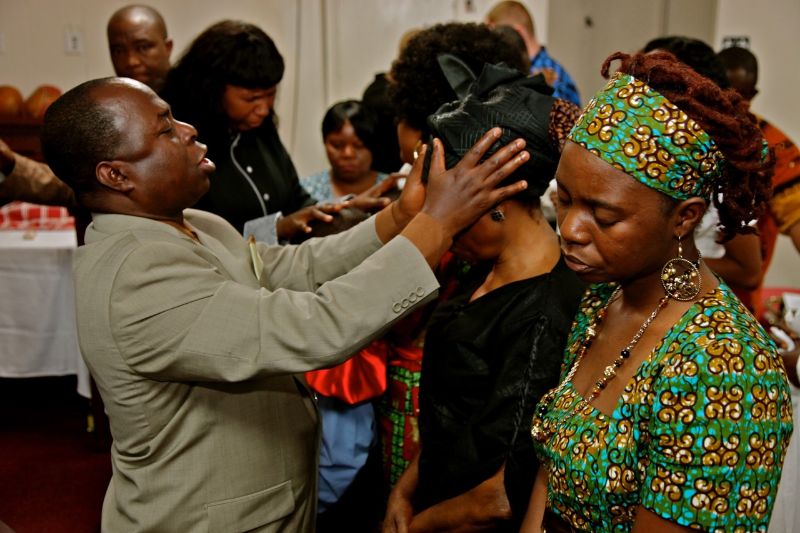

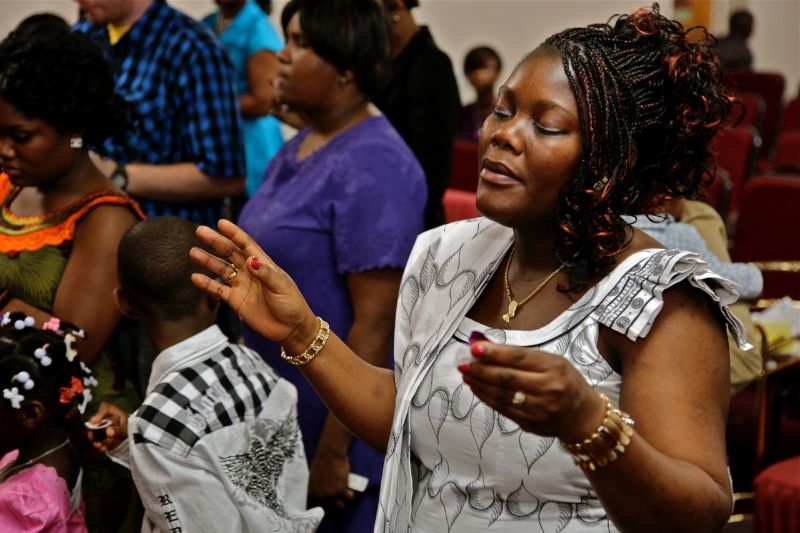

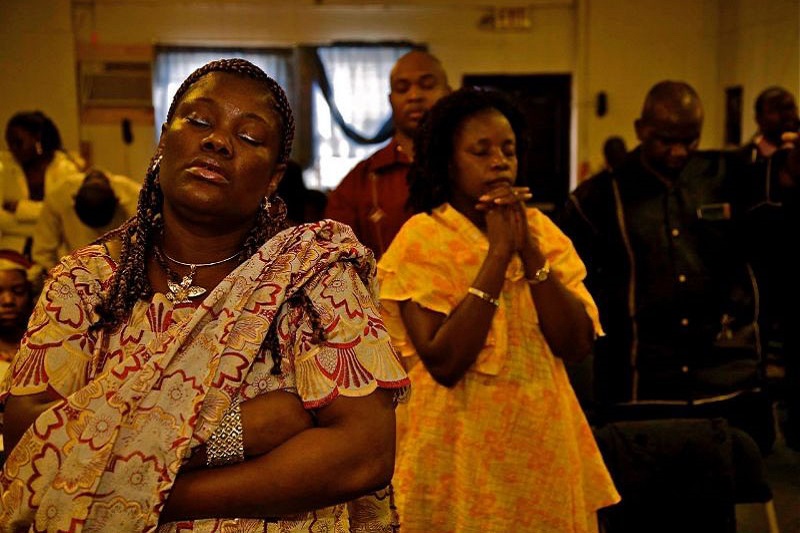
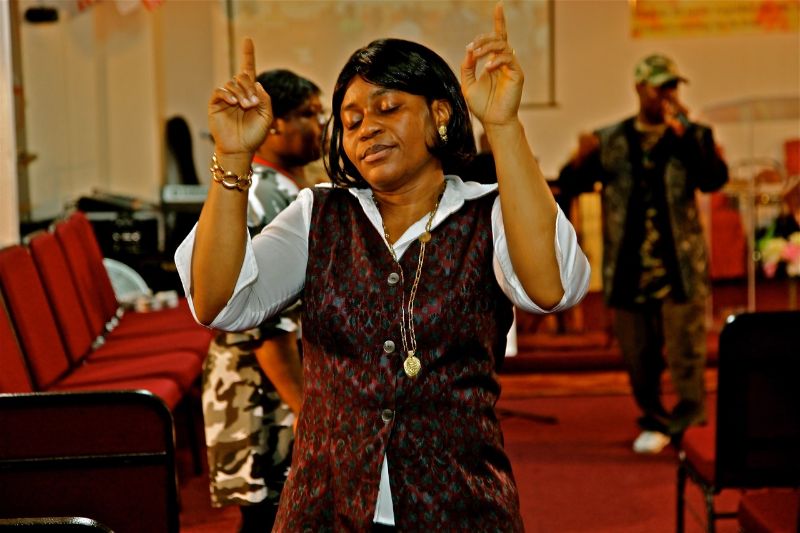
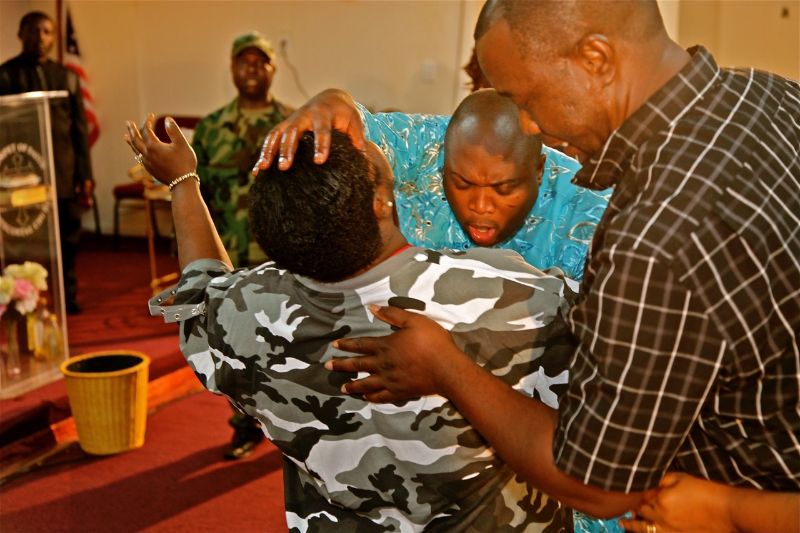

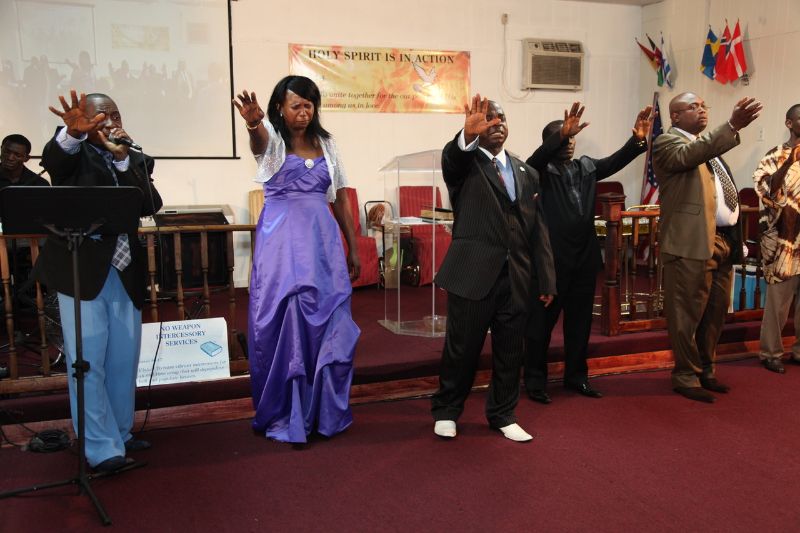
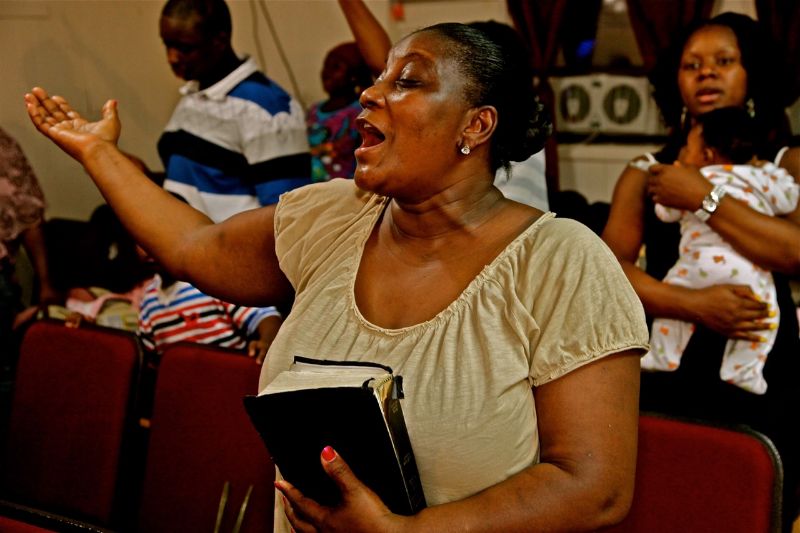
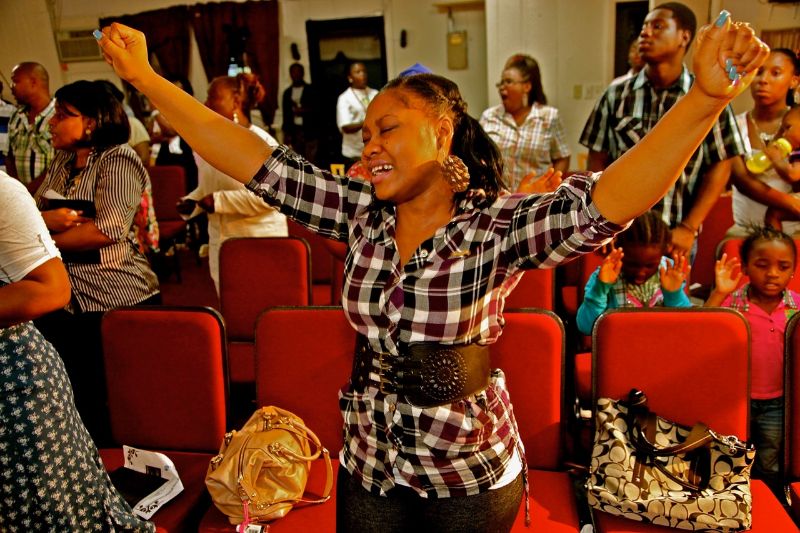
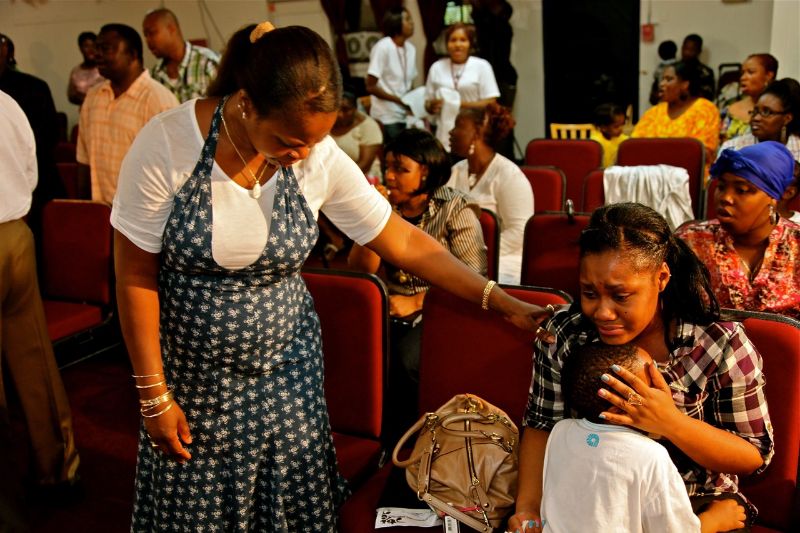
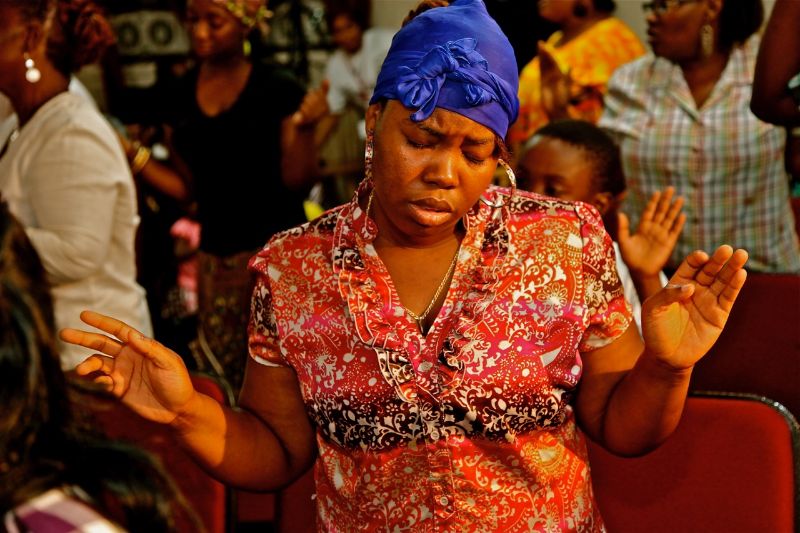
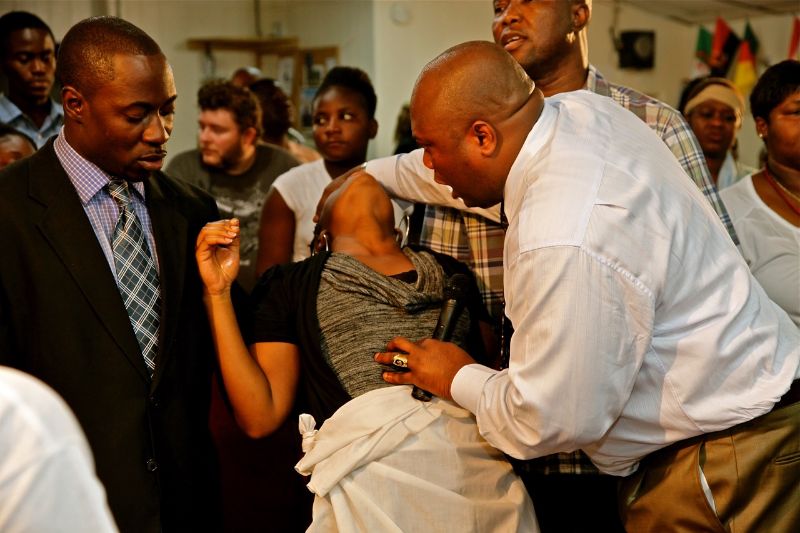
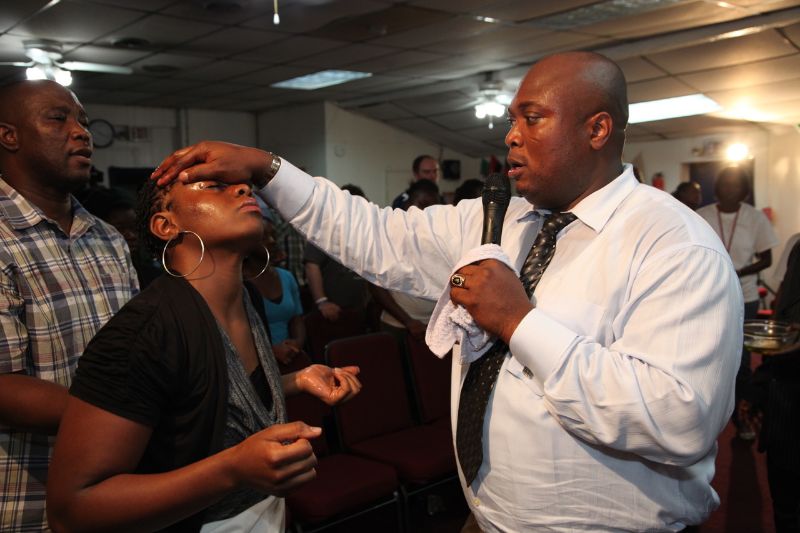
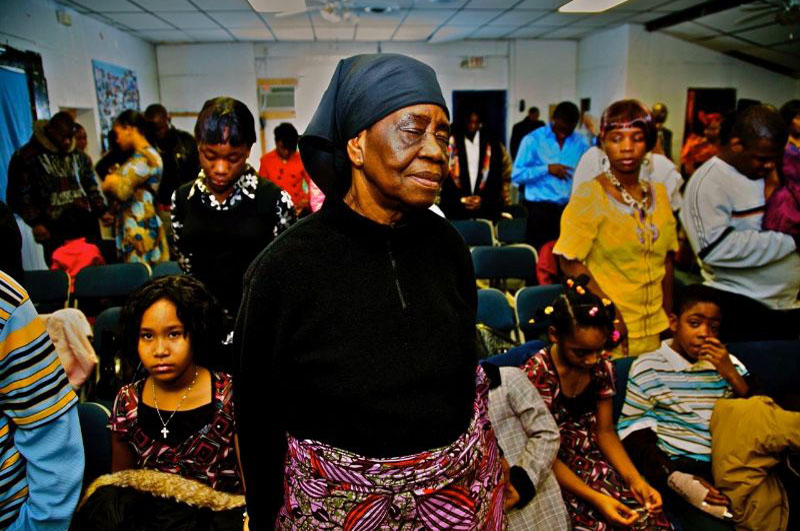
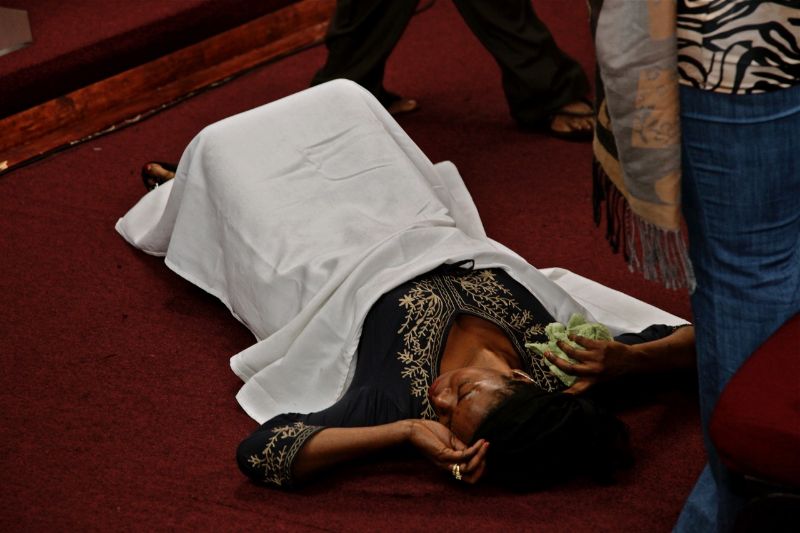
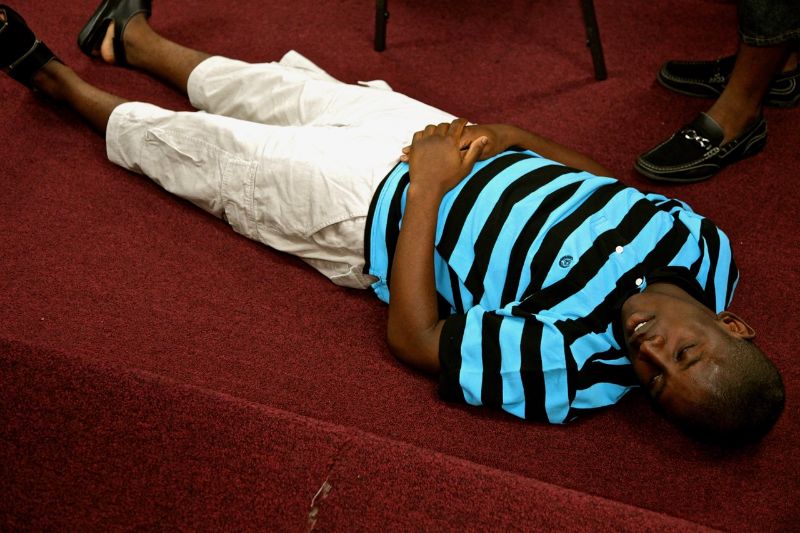
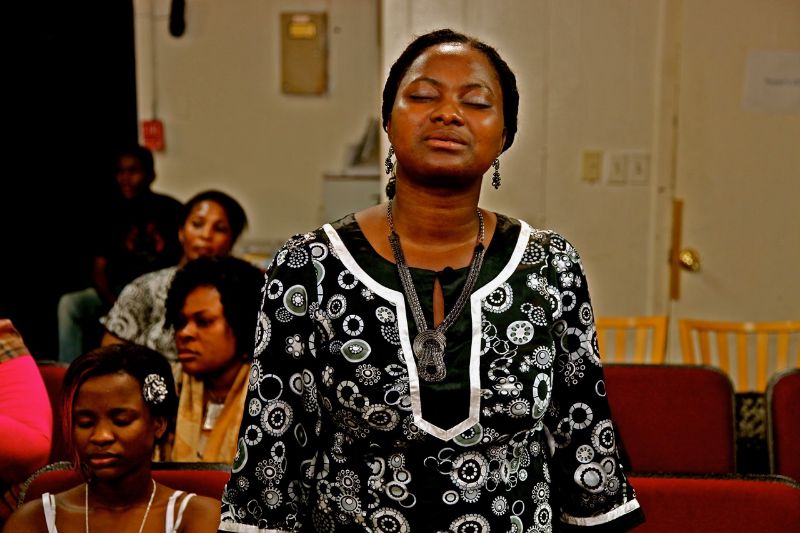
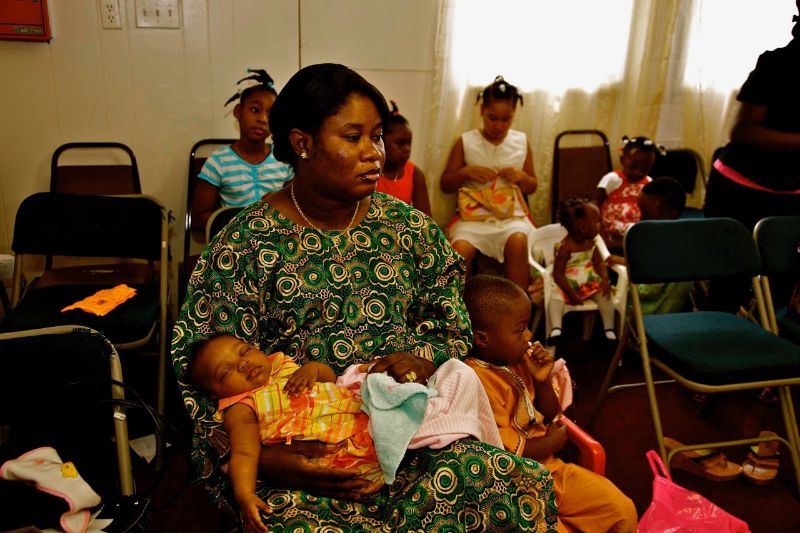

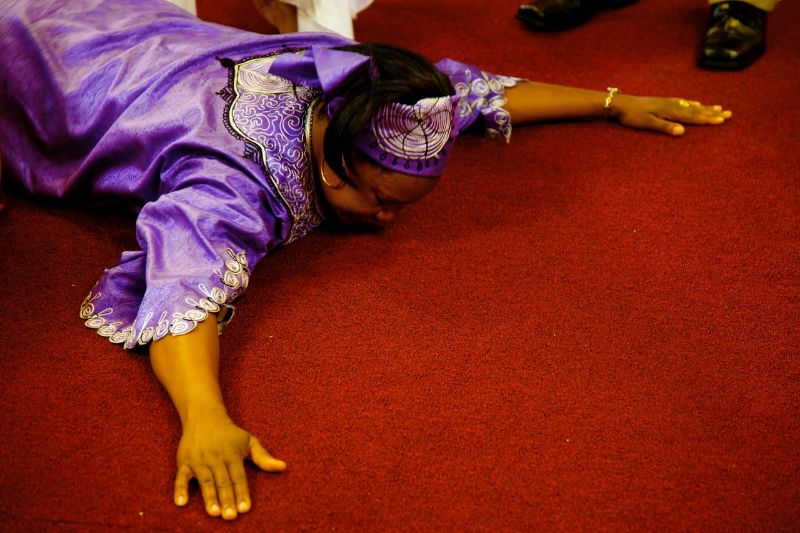
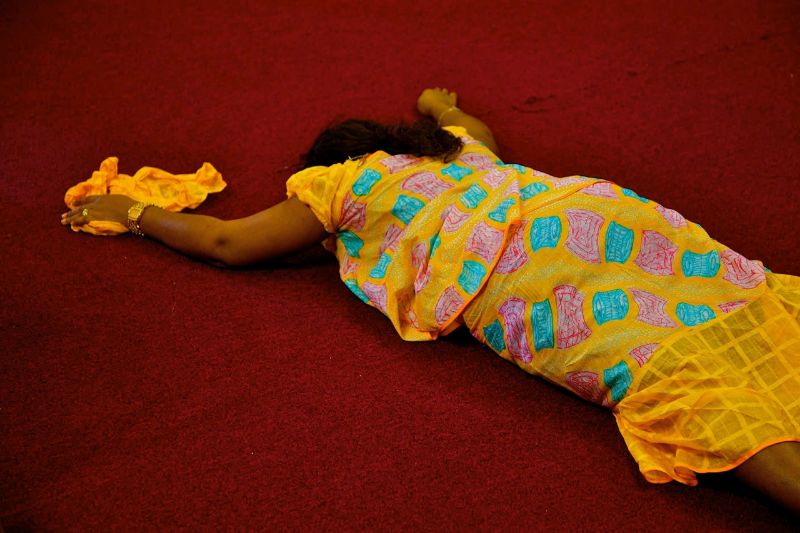
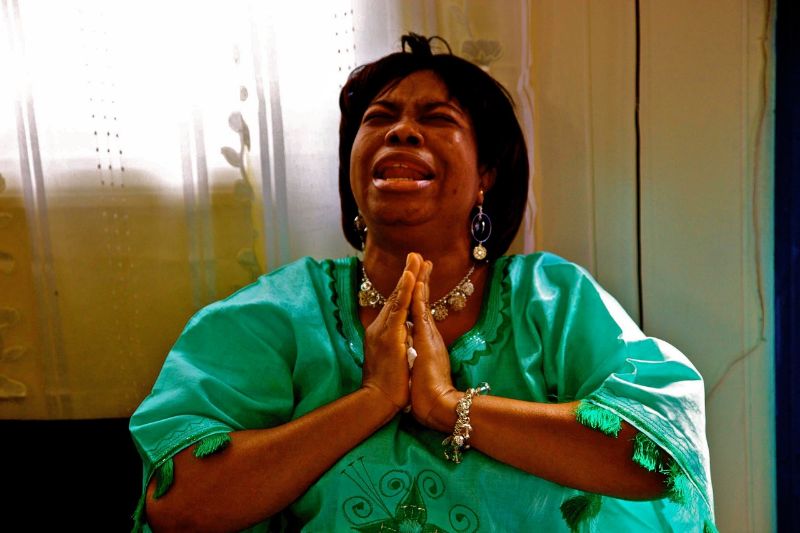
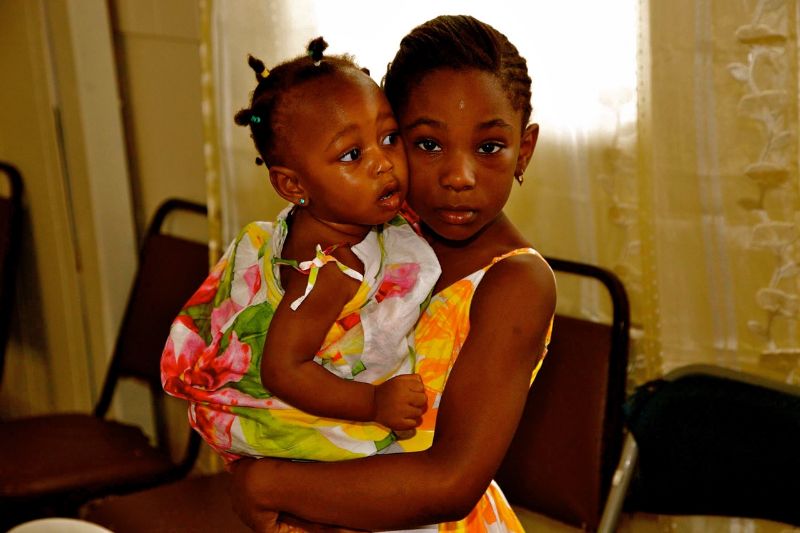
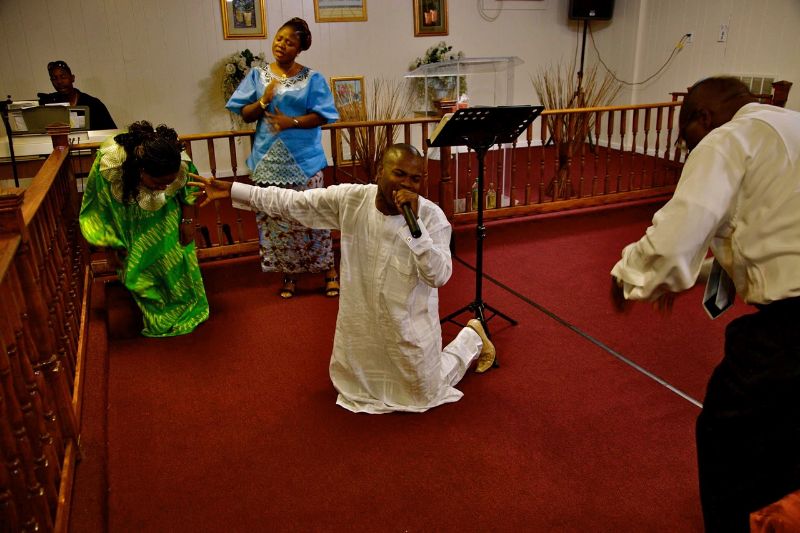
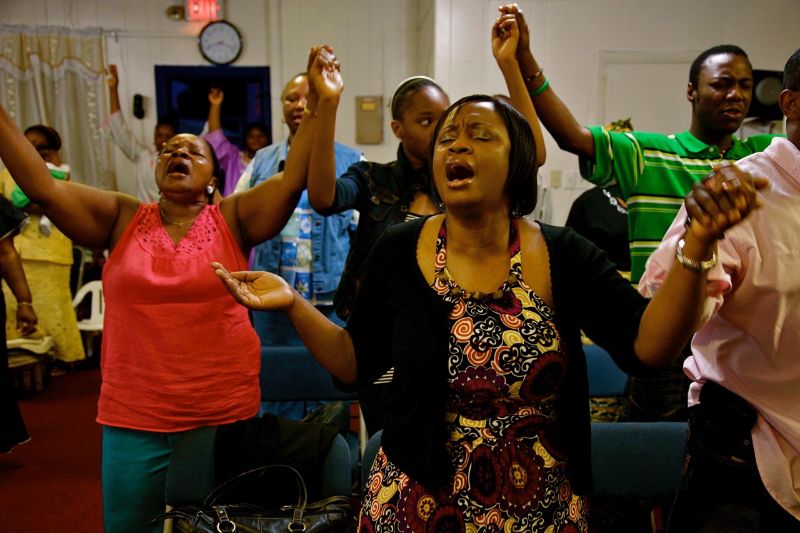
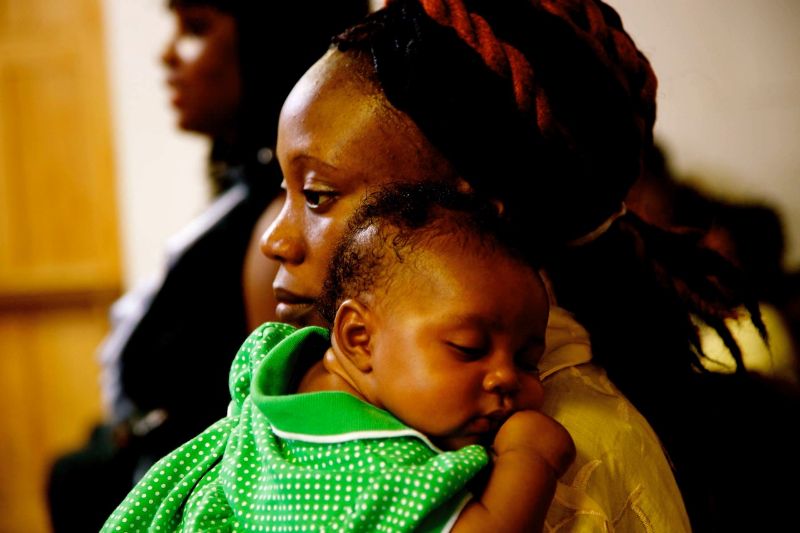

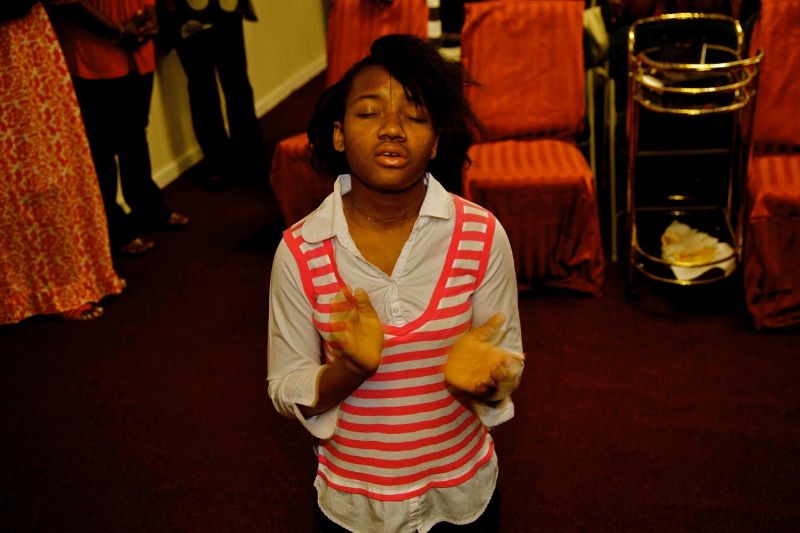
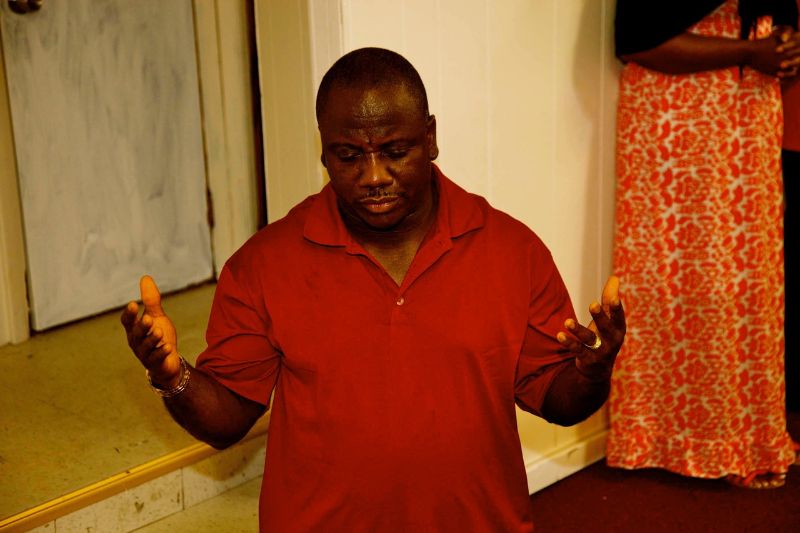

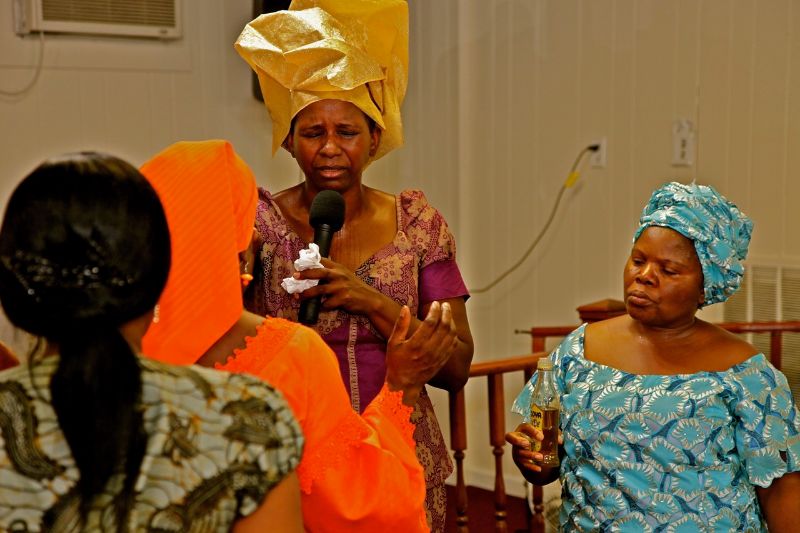

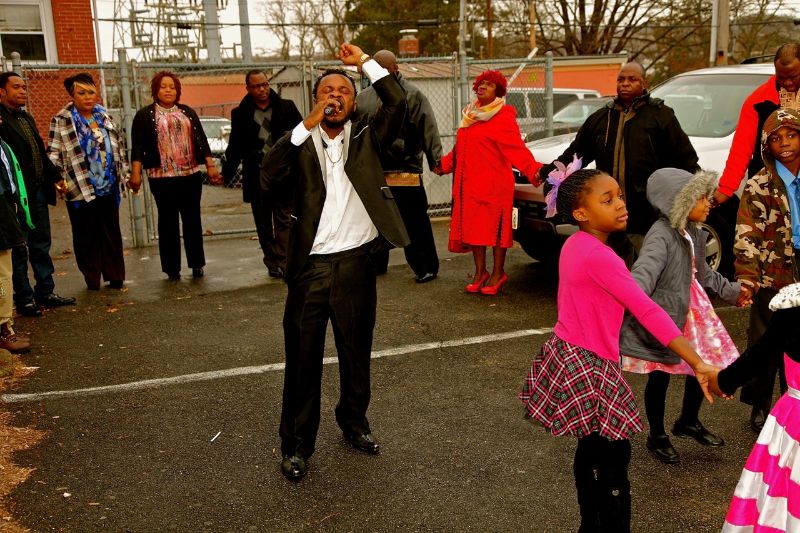
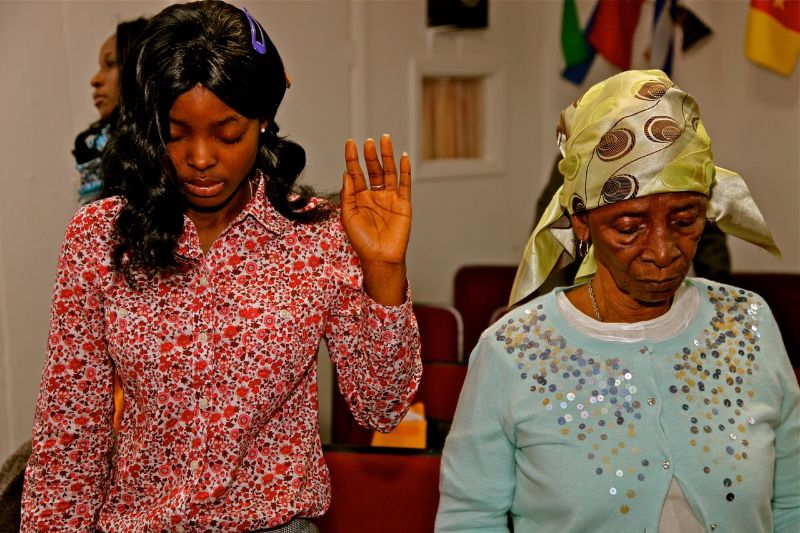

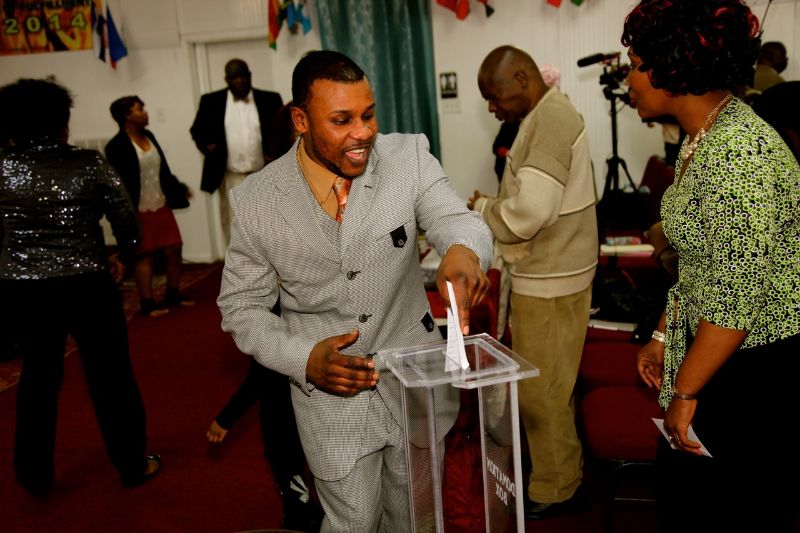
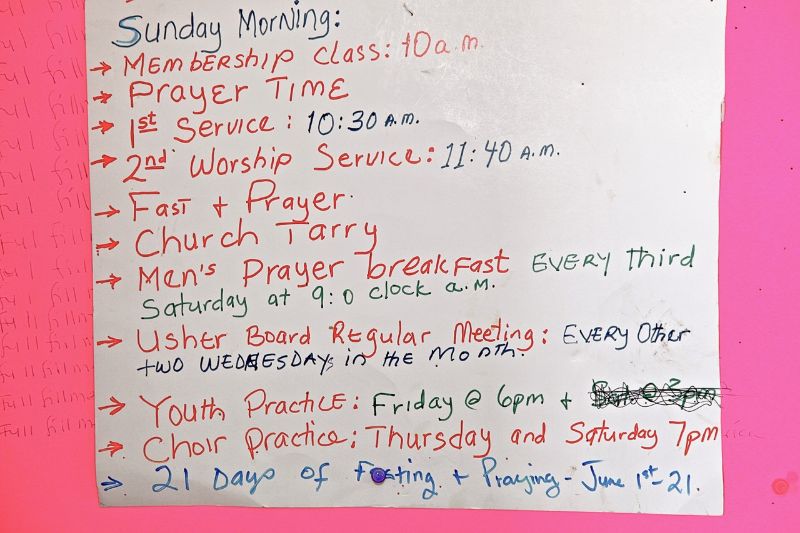

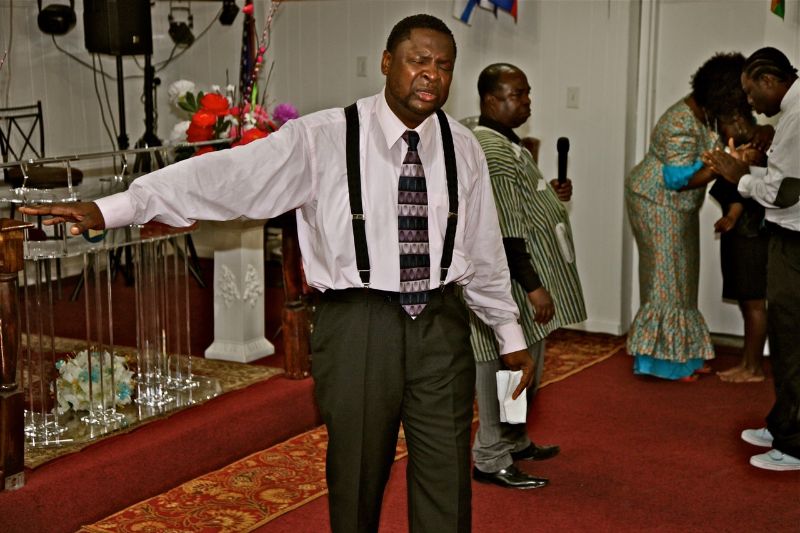
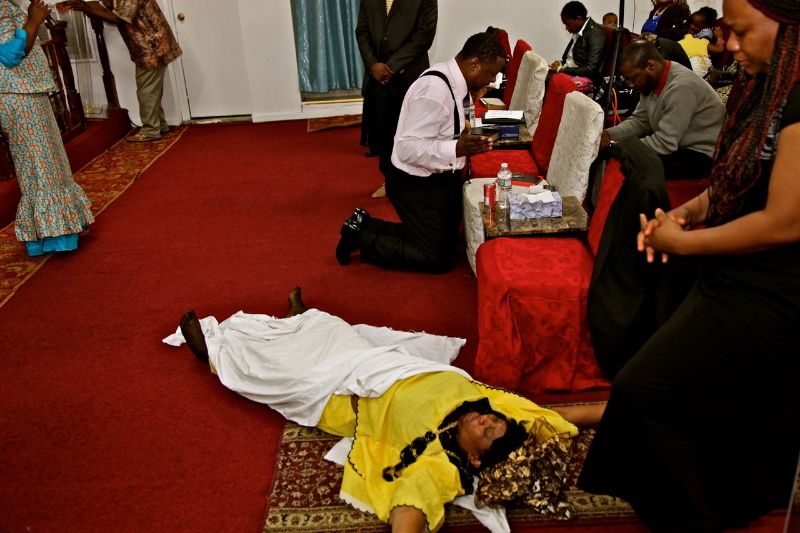

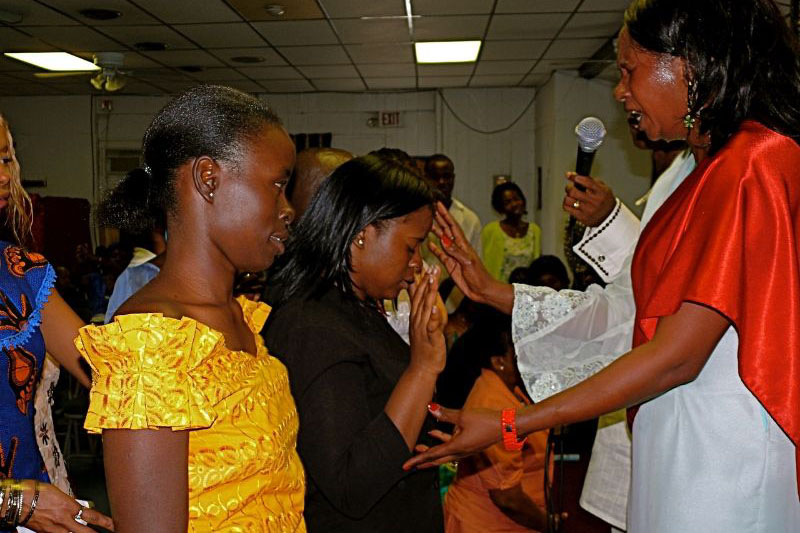
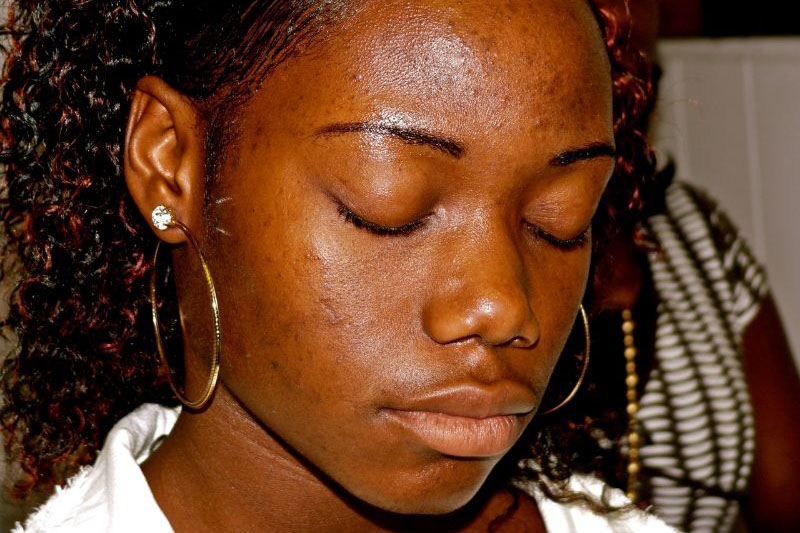
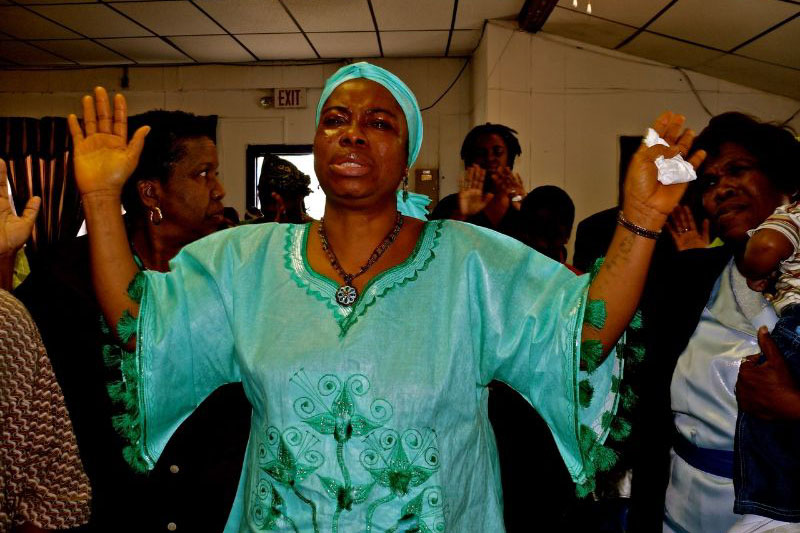

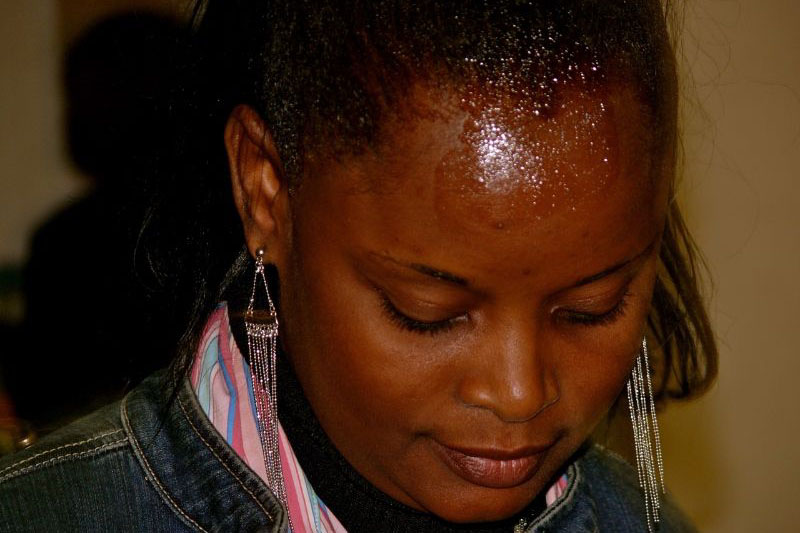


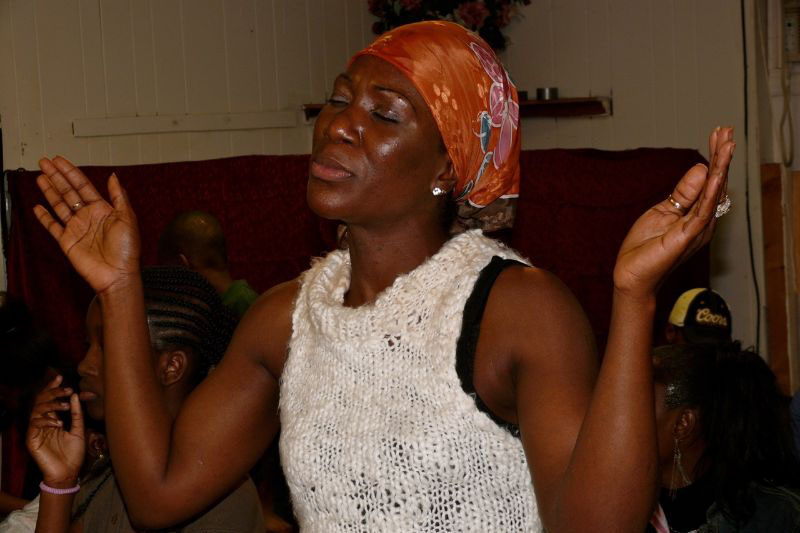
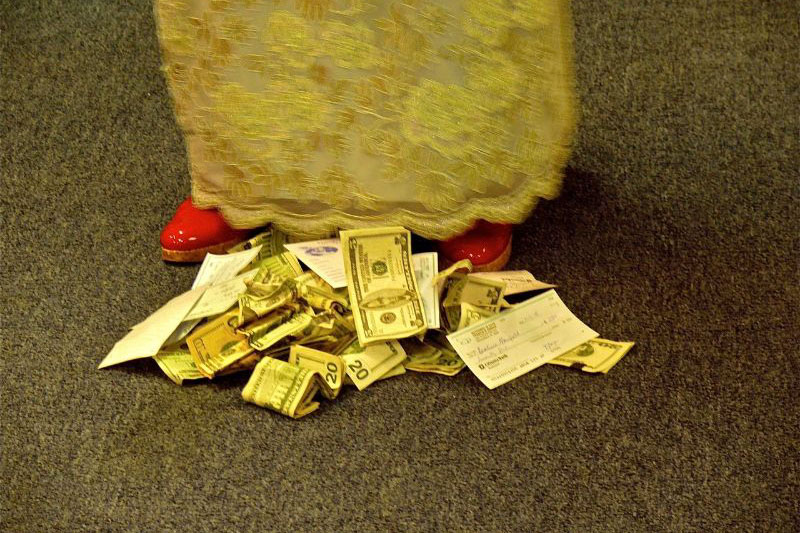
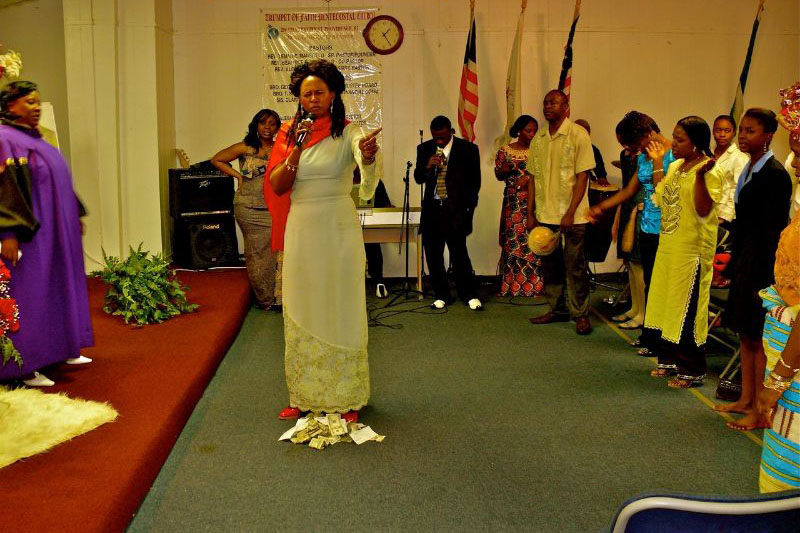
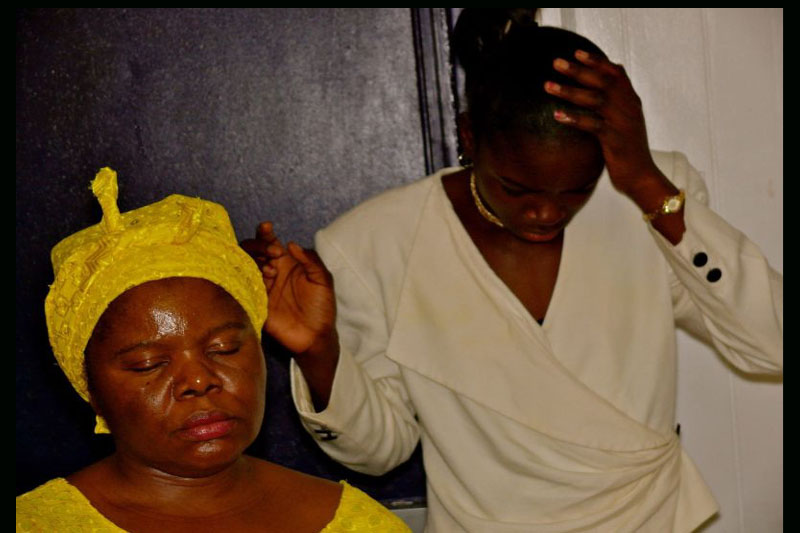
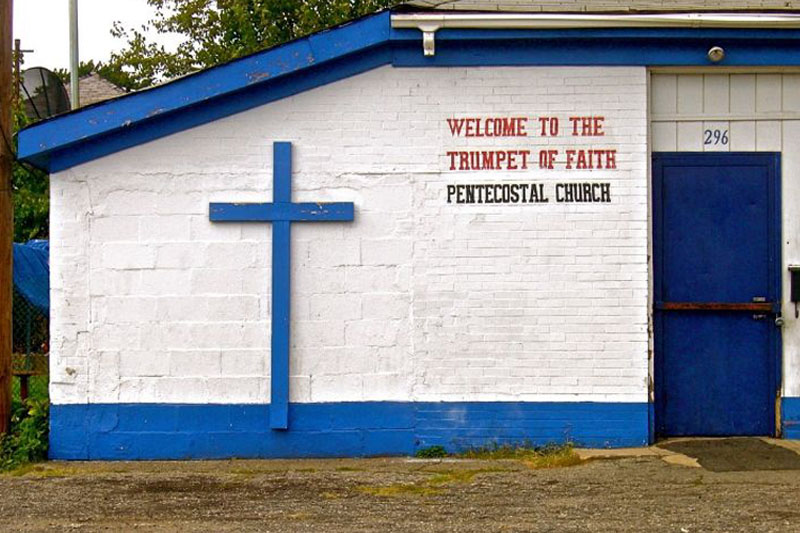
Bishop Beatrice Brooks, The Trumpet of Faith Pentecostal Church
Interviewed by Anna Wexler, Ph.D., Harvard University
Anna: Good afternoon, Bishop.
Bishop Beatrice Brooks: Good afternoon, Anna.
Anna: It's so nice of you to want to speak with us and share some of your experience and some of the experience of your congregation this afternoon. And again I had some general questions in mind, but if there's anything that comes up for you in the course of the conversation that you want to change direction, please feel free. I want this to be spontaneous too, if that's meant to be. So I just wanted to start and ask you if you would introduce yourself by name and where you come from and a little bit about how you, if possible, how you became involved in your ministry and your role in the church here - any kind of background that you would like to share with us this afternoon.
Bishop Beatrice Brooks: Okay. Thank you, Anna. Thank you so much for having me. For interviewing me!
Anna: You're having me! You're having us!
Bishop Beatrice Brooks: Okay, okay. Welcome!
Anna: Thank you.
Bishop Beatrice Brooks: Okay. My name is Bishop Beatrice Brooks. I praise God for the position that God has placed me in at this time. I'm from Africa... West Africa... Liberia. I've been in this country for 19 years. About 19 years, if I may say. I've come a long way, when it comes to my ministry and where I started. It started, all this started in Africa... West Africa... Monrovia... Liberia. Actually it started all the way down, down in a county called Lower Lofa, where the war took me. In Liberia, I used to work with the Bureau of Custom(s). I was a custom(s) officer. And so, when the war came, there was a friction between the Charles Taylor rebels, and our government, our president at the time, Doe, Samuel Kanyon Doe. And so the rebels came into a place called Monrovia, where I was, and they drove us back from where we were all the way down to the Lower Lofa area.
Anna: And where is that? What direction is that? Is that in the south?
Bishop Beatrice Brooks: That is, I think it is up north, if I'm not mistaken. The rebels drove us all the way there. We had to leave with our bundles on our heads, with our kids and we would walk all day. If I put my mind back, in retrospect, thinking about what happened then, it's a lot that happened. But they push us back into the village and we were living in a hut then and we were scrambling here and there looking for food. Life was difficult. Life was tough. And I prayed. Then I was not a strong believer. (laughter) Now I am, but then I was not.
Anna: But you still would have called yourself a Christian?
Bishop Beatrice Brooks: Exactly. Exactly. And so at that time they were looking for prominent people of society to, you know, kill, kill us because we had, we were educated and we had jobs. And you could just look at somebody from their continent, and you could read their facial expression and you would know whether they are from the village or they are from the city. And so we were the city girls that were, you know, driven back into the villages. And so they spotted us and so we were there and then people started saying I was from the Bureau of Custom(s) and I had come into this village with my kids.
Anna: How many kids did you have then?
Bishop Beatrice Brooks: Then I had three kids. I had one that died during the war. Before coming back.
Anna: Oh, no. I'm so sorry. So sorry. And how old were they at the time?
Bishop Beatrice Brooks: She was... Her name was Satta. She was two years old. There was no food. And whatever little we had at the time... I remember... I had a little red rice. And... cook it and took the crust and drain the water and that was what I was feeding her with. And when I feed her, it would come right through her. There was no medicine, nothing. It was hard. When you have kids, you have to kind of like starve yourself. So when I scramble from one farm to another farm looking for food for my kids, whatever little that God bless me with, I would give to my kids.
Anna: Of course, to them.
Bishop Beatrice Brooks: And I would stay hungry because I didn't want for them to die.
Anna: And how old were the other ones at that time?
Bishop Beatrice Brooks: The other one was four and the other one was five. Danny, the boy name is Danny. You could count his rib bones. And the girl name Fate. It was really, really tough. It was hard. But I praise God today for all of the trials and pains. Today I can talk to you about it, but then I couldn't. But now that God has healed me, healed the wound, I can now talk to you about my past experience.
Anna: Thank you.
Bishop Beatrice Brooks: Yea, so I was surrounded by rebels. And so I went into this hut and I prayed. God, if you, if you spare me and my kids, I will forever serve you. This is where it started from, all the way 20 plus years ago. I will serve you with all my heart if you spare me and my kids. Because the rebels can do anything they want to do with us because you become vulnerable at the time and you can't, you know... In my country we say JEAN OR HORE (?), what that means is you can't look to the left nor to the right nor to the east nor the west for help, you got to look at God. And then where fate come into play, there where find God. It is you and God. You and Jesus. And so I made a commitment. I made a vow. And I vow again. War is then, and our vow is now. God if you spare my life, I will serve you. I will forever serve you. Now I turn my life over to you. I do not have help. I'm surrounded by rebels. They can do whatever they want to do at this time. So, Lord, do something for me and I vow that I'm going to... if you save me and my kids, I will serve you. So this is how... I know...
Anna: I got you. Well what an intense beginning in the middle of violence and tragedy. You, you... your faith in a sense was deepened and clarified. I think that's something that you mentioned in the sermon that I heard you give when I came here. The issue of remembrance and people need to remember that God has pulled them through these situations and they have an obligation too in return. But you have lived that in your life. So after that, somehow, you survived that situation, did you return to where you had been before or did you have to stay in that area for a long time, that you had been pushed out of, into, by the rebels? Did you have to hide out for a long time?
Bishop Beatrice Brooks: Yea, this is my story as we continue.
Anna: Please continue. If you don't mind continuing.
Bishop Beatrice Brooks: I was there for like eight months, and after eight months I'm like, this is not my life. There was a lady there. She died last year. May her soul rest in perfect peace. Her name was Mafori. She was there, and they called us at the time, displaced people. That means that you have left your city and have come into our city or town. And so you are displaced. They call us displaced people. And so I look at the whole thing and I said to Mafori, "I got to go back, but I need you to help me." And then at that time, people started coming and going. And I'm like; it is time for me to leave. And so she helped me to fix, they have a nut, called palm nut, and from the nut we get oil. We call that palm oil. She helped me and we fix it. And so I had a gallon of it, five gallons, and so I took it, put it on my head, and then she started crying! She started telling everybody in the village, "oh my daughter is going to go and die," because there were rebels on the road. She started telling people and I'm like okay, this is not my life. This is your life, but I can't remain here. I got to go back. I got to take my kids back. Now that the war has then subsided, I got to go back. And so I explained to her, I waited for two or three more days after. And then she released me. So I carry my oil and I walk all the way from (??) town to (??) town. That was a whole day journey. And then I slept there on that night. And I went to (??) town, that was another town.
Anna: And were your children with you?
Bishop Beatrice Brooks: No, I left my kids.
Anna: Oh you left your kids there.
Bishop Beatrice Brooks: I left my kids because it was a long, long journey. Thinking about my daughter that I had lost, you know I didn't want to bring any problem. Because I was, I didn't know how to go back, but I was just following my instinct at the time. And so I went, and then somebody told me that people were going back, and they knew the bush road. Because I was traveling on the main road and then somebody said to me, as I was traveling, people were going, people were coming, and I were asking questions. And they're like, "don't go this way, go that way." And so I went and I met up with another guy that I knew and so he helped me and carried my load to another place. And then I was really amongst the rebels! In another place, called, I think it was Arthington. I left from the town, and I went into, you call it suburb over here, it was like a suburb area, and they call that area Arthington. And then I met some rebels. And one of them said he was killing all of the Krahn tribe. He was killing and he said he wanted for me to be his wife. And so he took me in and said I was going to be his wife. It's a long story, so...
Anna: No, no but it's very compelling.
Bishop Beatrice Brooks: And so, I met this rebel who said he killed people and so he took me to be his wife. Believe it or not, he took me to be his wife; he said I was his wife. He had found this beautiful woman and this woman was his wife. I did not have an option. My life was then in the hands of God once again. And so, we went into this house, and this way, you could see that there were stolen goods in Arthington. And so we went into this house and he put us into this room. And I was like, "I can sleep on the floor." He said "no, if you sleep on the floor, I'm gonna kill you. You're going to sleep in the bed with me." And he had a gun right at his head, at the head of the bed. And so, I didn't have any... I had to sleep on the bed with him. And I prayed and pray and pray and pray. I pray and prayed all day long. For me it was all night. I prayed that God would put him to sleep. And so God heard my prayer. When you think that God won't hear you, he hears you. I needed him at that time. Remember I made a vow, that if he spared my life that I will forever serve him. And he heard me. And so, when I was sleeping on the bed, actually not sleeping, but I was praying and praying. I noticed that God put him to sleep, and then God put me to sleep. But then early in the morning, there was no curtain at the window. The moon was shining, the moon came out. I don't know what time it was because I did not have a watch on my hand. The moon came out, it was so very bright - full moon - and so I got up easily, very, very, because his hand was kind of like on my hand. I kind of like slip easily, easily, very, very softly, easy, easy and I got off the bed, and then I went out, I went out. I look in different rooms. When we got there, we got there in the night. And so I went outside, I opened the door, and I went outside, but when I looked over here, there was house all the way over, very far from where we were. There was another house far away from where we were. I'm like God, how am I going to run away? I want to run away. But if I do, I don't know anybody here. He's gonna really kill me. Because he had already said to me that he was a killer. I said, oh God, what am I going to do? So I kept on thinking and thinking, my thinking... my mind went into praying... And then I started praying and praying. And then I don't know how long I was there for. All of a sudden he came, "where is she, where is she, where is she?" I'm like, "I'm here, I'm right here." He said, "Oh I thought you had ran, I thought you had gone or you ran off from me." And I'm like "no." And he said, "okay I'm gonna get my gun and we gonna go on this side and that side. So he took me from there and he took me to another house. So when he took me to that house he went and cut plantain. I don't know if you know plantain?
Anna: Yea, I do.
Bishop Beatrice Brooks: Okay so he brought this plantain and he asked me to cook him this plantain. It was another house within our community. And so I said, "okay." So he helped me, then he helped me with my oil. And then we took it in there. And then when I look, you know they used to steal people things. And they used to kill for ?? And so what he did was... Then all of a sudden I saw this pickup. A pickup with a group of boys in the back of this pickup. "There is not any mens around, you gotta come so we can go." And so that's how he left me and I stayed in this house. But then the day broke and got clear but I didn't see people running up and down, nobody because it was like we were in a rebel zone and they were in control of that area. And so I didn't see people. But then I went ahead and I cooked with salt... just salt. I cook salt and I peel it and I cut it, they had knives in there. I think the people ran away from their house. And so they have knives, they had forks.
Anna: I see, they had all the stuff they left behind.
Bishop Beatrice Brooks: Exactly. And so he came back and he came with this group of boys. At that time I had gotten, I had already cooked. And so they ate, and then, they spread the news around. Oh and they started calling me his wife. That wife can cook! She's a good cook! So everybody started coming in to eat. That pot of food finished, and so I had to cook another pot. So I peel this plantain and I cook another pot of food for the other group. At this time, it was was around, maybe 2-3 and then this young man came in. But before he came in, I had already cooked the second portion, second pot. And then I was thinking, I was kinda lonesome. I didn't know what to do. What if I should run away? But I couldn't see anybody. In this area there was no house at all. At least in the other area there were two houses far apart from each other. But this area, I'm like, God, should I run away or not? You know, I just kept on thinking and thinking. But then I saw a black board. I don't know if you know a board. We call it black board. You know the thing you write on. Chalk board.
Anna: Yea, chalk board. Yea, yea.
Bishop Beatrice Brooks: Yea chalk board. And then I wrote on it "University of Liberia." I don't know I was just so bored so when I wrote on it, I just left it. I left it and then I was just sitting down in the kitchen thinking on it. And then this boy came in. And so when he came, he came in with his gun. He said, "I heard that you cook, and I came to see if I can get something to eat." So I said, "okay," I fix him a bowl and I give this, you know, plantain soup to him and he ate it. And then while he was eating he look at the board, and then he said, "Who wrote that?" I said, "I wrote it." You know I was kind of bored. I didn't know what to do. He said "you got good penmanship." You print? Penmanship. That means you print.
Anna: Yea, you write well.
Bishop Beatrice Brooks: Exactly. Okay, I know I have a deep accent or may be fast.
Anna: You do, but it's good. No it's fine.
Bishop Beatrice Brooks: And so he said you know you write well. So I said yea I was in school I went to college but I didn't finish. LU - we call our university over there - LU.
Anna: And that's in Monrovia?
Bishop Beatrice Brooks: Yea. So I said because of the war, now I'm here. And then he started explaining his story to me. And he said, "I joined this group because they came into Arthington, the rebels took over Arthington, and they killed my grandfather right in front of me and they shove him into this hole." And I asked him why. He said because he had... my country got a lot of diamonds. He said he was doing diamonds and gold business. So they kill him, somebody pointed him out and said he was a diamond dealer. That was what they used to do. That was the reason why I was afraid of my own life. You know I was afraid I would be killed. Because if they point you out, they're going to slaughter you.
Anna: Because you have resources and you know you have some position and so forth, right?
Bishop Beatrice Brooks: Exactly. So that's how his grandfather got killed. They were about to kill him and then somebody said, "No, don't kill him. We can use him. He is young." So they were looking for the younger people.
Anna: Right. Right, the boy soldiers, they called them, right?
Bishop Beatrice Brooks: Exactly. And so that is how his life got spared. So, he said, "But I'm tired. I'm tired of this." I'm like, "what are you tired of?" He said, "I'm tired of this rebel thing. I want to go back. This is not my life." So I'm like oh my God, you send me to somebody. When I was in the town, I said God, I said to the lady, this is not my life. Now somebody now is telling me this is not their life. Then I asked him, what are you going to do? He said "I'm gonna go tonight." I'm like, "where are you going tonight?" He was going to go across to - they have some people that were fighting for us from the different African countries like Nigeria, Sierra Leone, Ghana, Gambia, different people from other places came to help. And he said that these people had come into the country to help us. So he heard about this and he wanted to go and turn himself in. So I said, "Oh, can you take me?"
Anna: Woah! Good chance, right?
Bishop Beatrice Brooks: "Can you take me?" He said, "yea I'm gonna take you." I said, "tonight?" He said, "yea tonight." I'm like okay, this is the foolish thing I asked him. "What are you gonna do with the gun?" He said, "this is not my property, I'm going to throw it away!" I'm like, "oh okay." So he left. I pray and I pray. After he left I said, God bring me this man because I don't know where I am. Help me, I will serve you. Anywhere you send me, I will go. Whatever you tell me. But I cannot die. I got to live for my kids. God heard my prayer again. I made a vow. That was the second, that was maybe the third time.
Anna: The third time you made the vow.
Bishop Beatrice Brooks: Exactly. And so, he came. You know how it is where you are in this place where, you don't know what to do, or what's going to happen. I was in this, in my country we say jam state. I was in this situation. This circumstance that only God could bring me out of. Yea. I was in bad shape. And so I would like go to the kitchen, run back to the front and spy and look and look and look. I was doing that all day and finally right about 6-7 in the evening I saw him coming. He said, "hurry up let's go. Hurry up! Hurry up. I'm leaving now. Run!" One thing he said, "don't look back." And so we ran and ran and ran and ran. He helped me with my oil. We ran and ran across to the bush.
Anna: So you kept the oil too. You kept the oil with you. Because that was something you could survive by. You could sell it.
Bishop Beatrice Brooks: Because I didn't know what was going to happen.
Anna: You had to have some means to survive.
Bishop Beatrice Brooks: And so that was how we ran through the bushes. We went running. And when I look, I saw, "Welcome" on the tree. They had these posters, "Ecamore welcome." I'm like what is that? You know when you always ask questions.
And he was like "They are welcoming us. Let's go. Ecamore is down the road. I know where they are. Let's go. And we ran. And so I saw this big Acamore truck. You know the trucks you have here. This long truck. Army truck. That pull us in the air and so we went through the bushes. And that's how I got free. There where I started from.
Anna: And what year was that?
Bishop Beatrice Brooks: Oh my god it was it was in 19... Jesus. 1990 or 1991. I don't have the year.
Anna: So it was like the war had broken up but it wasn't over at that time.
Bishop Beatrice Brooks: No, no it was not.
Anna: But after that thank goodness, you were saved. And you were, how did you. I mean, what did you do then? How did you protect yourself from then on? How did you move on?
Bishop Beatrice Brooks: I went back. It was like, it had kind of like subsided a little a bit. Then we had another guy called Prince Johnson in there along with Charles Taylor was on one side and Prince Johnson was on the other side and in between there was Ecamore. The peacekeepers. They call them the peacekeepers. So that they divided the country into three different sections. So we were like, kind of like, in the middle like. So when I got back, where I was, Ecamore was there. The peacekeepers were there. When I went in, I sold my oil. I sold my oil and then I started watching to see if I could go back to work. It took some time. It took a couple of months. I started praying cause I had to send for my kids. I had to look for a way to go back and get them. And so I sold my oil and I started watching out to see when my office was going to open. Because a lot of people work in the offices. It's not like here. Especially for me I was in the office, but over here it was a different thing. So I was listening on the radio to find out when we're going to go back to work and stuff like that. And so when the time came, a couple of months to a year came and then I heard that the offices were opening again. And so I went in and reported myself and started working and I started praying, believing in God. Blessingly for me. I left my brother with my kids and his wife and so he brought my kids. And that's how.
Anna: So you were back in Monrovia.
Bishop Beatrice Brooks: I was back in Monrovia.
Anna: Wow, what a story. That's amazing!
Bishop Beatrice Brooks: It's long, but...
Anna: It's not long. You tell it... I mean it's a long experience. But you told us and encapsulated it for us. So from that point on you had already, you know, vowed that you would serve the lord for these moments of being saved, your life being saved literally. So how did you go forward from there, once you started back at your job? How did your mission take shape in terms of your spiritual commitment?
Bishop Beatrice Brooks: Okay. Um. When I went back to Monrovia. I relocated from where I was. I relocated into this area. But I always had that. I always had that in my mind. God always reminded me about the vow that I made to him. And so when I moved back, in my country, if you are working, you can afford to, you know, get a maid that will cook for you, that will wash your clothes, that will take care of your kids. And so I had a maid that was doing all these things, but then one day she started singing these strange songs. That was a different song than that of a Methodist hymn, than that of a Baptist hymn. Because, when I was growing up, I grew up in a Methodist and a Baptist church because my mother and father, that was their denomination that they grew up in, and so their kids came up in the Methodist and Baptist denomination. But then this girl was singing a different song. And I asked her, "what kind of song are you singing? It's different, it's not a Baptist, it's not a Methodist." She said, "I'm a Pentecostal." I say, "Pentecostal, okay, can you take me to your church one day?" She said yea, so one day she took me to her church. And when I went into this church, I was shocked. I was like, "what? What is going on?" I saw somebody on the other side jumping. And I asked, "What is that person doing jumping over there?"
Anna: That was different than what you were used to at the services.
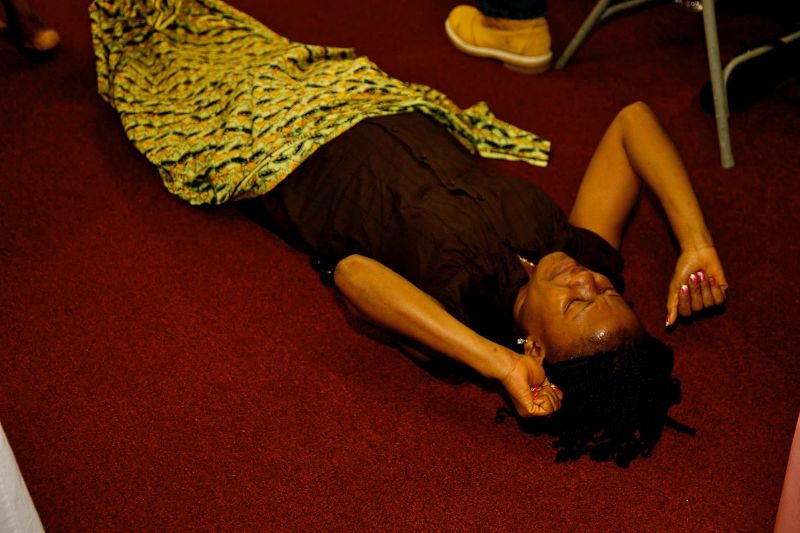
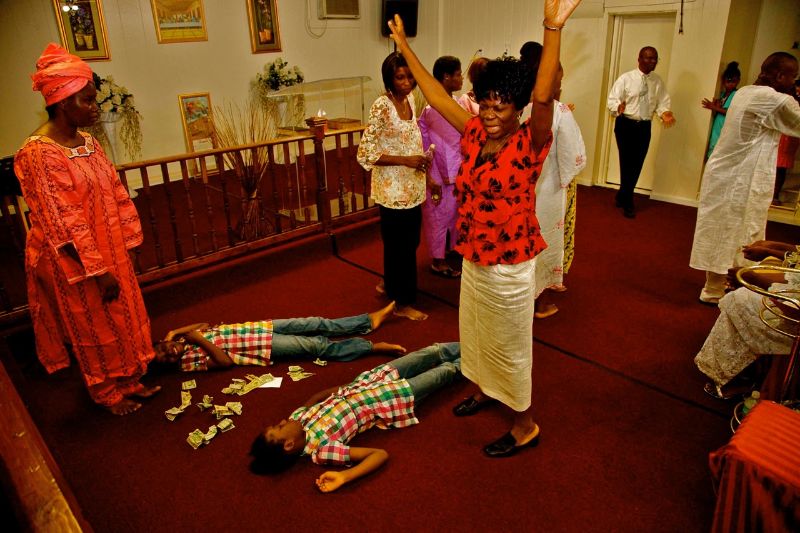
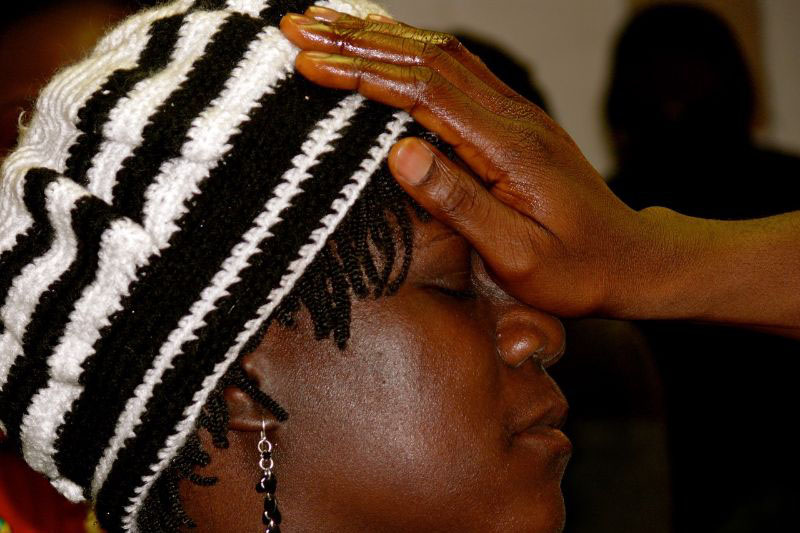
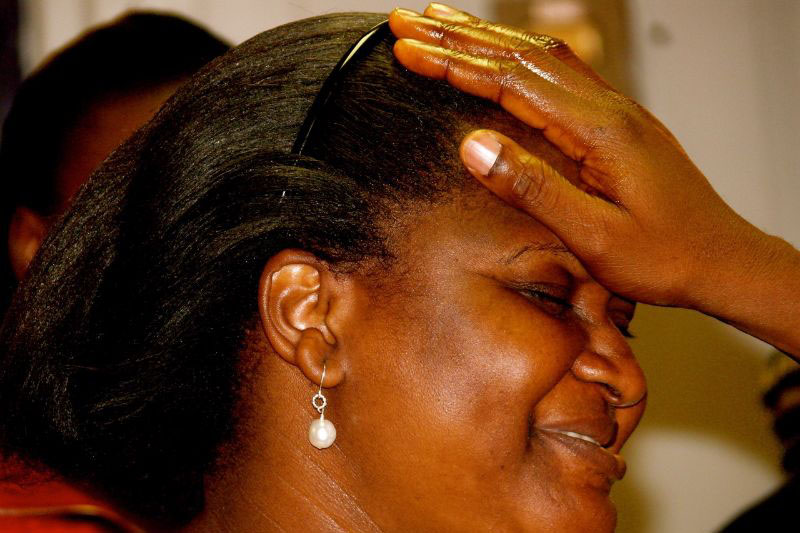
Bishop Beatrice Brooks: Very much so. Different. I'm like, "Why are they jumping and jumping?" And she said, "Oh they're in the Holy Ghost." I'm like, "what is the Holy Ghost?" But then when I look on the other side, the other person was just standing there and staring. And I'm like one person can be jumping, one person just standing there and the other person talking. I said, "I want to know the difference." And so I said, okay, I will come back. So I went to their Bible study. I started learning about God, about fornication. So I'm like, "what? What is going on here?" So I learned that and you know, really, God started drawing me from there. He started drawing my attention to him. And so, all of a sudden... Then I was not married. I had kids out of wedlock. And so I was not married then. And so I'm like... But then I was dating somebody. And then, you know, God got a way of convicting you. He convicts you by his word and he converts you. I'm like, I'm hit yet, what is going on? But then I started like, I started feeling kind of awkward and uneasy with this guy because of the word that was you know, penetrating my heart. And so they started talking about baptism. And then they said the baptism gonna be coming up and so we gonna be baptizing people. I'm like, I've already been sprinkled, in the Methodist church it's sprinkle. But then they said immersion. I'm like, what is the difference? I started asking all kinds of questions. However, this day came they said they were going to baptize and I wanted to be a part of it. I went to the baptismal class. After I graduated I left from my job. Then I had already gone back to work and got that established. I said I wanted to be a part. And so when the day came, I left my office and I went to the church and back then, they had, the pool was in the church. The pool was built in the church in front of the pulpit. And so I'm like, I started watching, because I'm tall. I was the tallest girl on the line. Then I started watching. I observed. Some of the girls would come out and they would be jumping, jumping again. And then some of the girls would come out like nothing. So I said God, if you are truly Jesus, I want to come out of that pool l like jumping, jumping, not like this other person. If Jesus you are truly Lord of my life, if you are really, really there for me, forgive me of all my sins, Cleanse me from all unrighteousness and really come upon my life today. And so I said, I am recommitting my life to you once more. And so, when my turn came, I went down, and they said, Beatrice Brooks, do you believe in Jesus? And I'm like, "yes." "Do you believe in the father, son and holy ghost?" I said yes. I baptize you in the name of the father, the son and the Holy Ghost. And they put me down and I came out. And they have steps going down, and I put my foot up on the first one, the second one. My God, I was not on this earth no more. Ooo God, I don't know how many men! Cause I'm a strong woman. Woo, me God, ooo, I was not in this world. I was like walking on top of water. That experience. I'm like what is going on? I couldn't walk. I don't know how many men - not women! They finally fought, got me out of that pool. I had a sense of what was going on around me, but I couldn't hold myself still. I was in this fire. This fire was just burning on the inside. And I couldn't keep still. They brought me they said, take her to the passonage. The old churches then, they use to have passonage. We call them the pastor's lodge or the members' lodge. Those who don't have a home to live in, they would carry them there. Sometime the pastor would live there. And so they took me there and I was there for a while. People were praying over me. And then...
Anna: Did you know what was happening?
Bishop Beatrice Brooks: I knew, at a certain place, I was in this world. I didn't know where. I would know something I didn't know. It took a long time for me to come to myself. But it was just that I was having this communal with the Lord. I was just in his presence.
Anna: But you felt moved. You felt blessed. In other words, you weren't suffering. You were just kind of enraptured.
Bishop Beatrice Brooks: No, no, no, no... Yea, yea. But it was like an experience that, you know, it's hard for you to explain it. This fire in your bone. The Bible say, Jeremiah talk about this fire. I cannot shut this fire off. This fire is burning all over you. This fire is sensation. It's just in you. You just like, God, you can't stop it. But after some time, after I went to bible school I learned that the spirit is subjected to the profit. But then when you are a new Christian, coming up, you don't know all these things, you can't control yourself. You're like this fire, I cannot control this fire. Now if the spirit of God come upon me, I can balance myself, I have grown. I am not a baby Christian no more. Now I have grown. So that was the thing, I was new to it. I didn't know what was happening. But I could just feel this fiery sensation. God just took me and revealing himself to me in different ways. And telling me things. So I was in this state where only him could bring me out of. So I waited and I got calm after some time. God brought me on. After that, I couldn't stand sin no more. He put this thing in me. I just couldn't stand sin. I couldn't go back to living that fornication life. He just rip you of all these attachments. All these things that don't look like him. The bible talk about thou shall not kill, or adultery or lie. He take it off you bit by bit. But this particular fornication one, he took it off me right away. He just kill it! Because the fire was burning on the inside. So after that... I waited for like 2-3 weeks, maybe a month or so. And I'm like, there was something different about me, my fiance then noticed it. One day I just got the courage and I told him I couldn't sleep with him no more. And he asked why? I said, I go to this church now. This is what God did. He informed me. I just can't see myself sleeping with you no more. I can't, I'm sorry, and besides I'm reading the word and I know the truth and I want you to come. And he refused. And so I told him I was gonna go someplace else. He can make up his mind on his own time. After that I went to bible school. I decided to go to this bible school. And I went to this bible school, Monrovia Bible Training Center. And they taught us about righteousness and holiness. My second year there, in the auditorium, there was a Nigerian pastor that came in. And he said God is gonna send some of you to America, he's gonna send some of you to Europe, he's gonna send some of you to Asia, and some of you are gonna go around the African countries. I'm not going to Asia, I'm not going around Africa... I'm going to America!
Anna: How did that idea come to you? It just came to you in the moment or was it something you'd been thinking about?
Bishop Beatrice Brooks: I had my mom. My mom just died like four years ago. My mom was here. And I have two brothers and two sisters that live here in Providence, RI. They were already here. So I wanted to come over here to my mom because I had not seen my mom for a long time. So I said, God, I don't wanna go there, I don't wanna go here. I wanted to see my mom before she passed. I made a commitment, I said God if you take me to America. Again I made the same vow. I will serve you. God, I will serve you. And this is where we are!
Anna: Amazing. So what year was that that you actually went?
Bishop Beatrice Brooks: 1995.
Anna: So there were a lot of Liberians coming to Providence at the time? Because of the war and everything people were leaving? Is that it? Or they were coming to Providence, Rhode Island anyway?
Bishop Beatrice Brooks: No, it didn't have anything to do with people traveling at the time. It was just me. I just decided. You see if a man of God, woman of God, prophesize a word upon you, upon the congregation. If you find yourself within that word, you receive it and when you receive it you act upon that word. By faith. You trust God. Because immediately after that I went and got my passport. I got a letter from my job. I informed my mother and my siblings over here that I wanted to travel. Immediately after that. The thing about it, you gotta have faith. And you gotta act upon your faith. And you can't just say you're going to go to America and sit down and fold your hands. Or I want to go to Europe, my desire is to go to Europe and you sit. The bible says faith will all work, without work, it's dead. So you gotta act upon your faith, which is the word of God. That counts for be it a woman of God or man of God. So I acted upon that word that came.
Anna: This school, it was a Pentecostal bible school? Was it like one kind of, how do you call it? It had a lot of churches all over the place? It was a network of Pentecostal churches all over the place? When he said some of you are going to America, some of you are going here, was that because they had churches in different places at the time?
Bishop Beatrice Brooks: No, it was a guest of the bible school that flew in from Nigeria. And he came to speak to the students. And God revealed this thing onto him. And so he said, after he got through preaching, he said this is what the Lord said to me to tell you. So he said, God said, some of you are going to go into the African countries. Some of you are going to Asia, Europe. And then, I left one part out. He said, "You're going to come back. God is going to expose you in these different countries. There will be exposure in your life. When God builds you, he gonna bring you back to build your country, your people. So there where I am. In the next five years I want to go back. I want to help my people. I want to build a girls schools and help train. After the war, I'm still getting negative news. People need my help. Those of us that have traveled around, we have learned. We have seen what happens in the western world. Now it's time for us to go help our people.
Anna: So that's your plan to return. So, just picking up where you left off when you came here in 1995, what was your, what lead you to establish a church, or what happened to lead you to the place where you are now in terms of your leadership?
Bishop Beatrice Brooks: I gave my vow. You always have this instinct or you always have the Holy Spirit telling you, it is time. If you are a woman of God or man of God you are in this place, you always have to be in the presence of God, because he directs your path. If you leave him out, he will leave you to the enemies. You know, when you become a born again Christian it's a different thing. Not an individual that is born of war. Not many Christians in the world. Many many people say they are Christians. They're not following the principals of God. So I always strive and I try to do what he tells me to do. And so when you are in his presence he tells you this and he tells you that. Then he say it is time. When I came I was stopping with my sister. I was attending a church. And so this church sent me out.
Anna: A Pentecostal church?
Bishop Beatrice Brooks: Yea, a church of God. They send me out. When I was in this church I was doing everything. I did not come as a pastor; I came as a born again. I'm a person if I come into your place and you welcome me, I He was from Trinidad. He welcome me, he and his wife. Pastor Salomon, Wayne Salamon. Because my sister was attending the church. And so they welcome me, anything you want to do you are free. I said, I have my freedom? He said yea. So I work with the women's department. I work with the choir. And so wherever he needed me most, I would do. He decided to send me to bible school, yea also. So I went to bible school. I think I was there for like three years. After that, then he send me out. Because before I came, I got married. And then me and my husband, when he came, we went to the bible school together. They sent us out. They prayed for us and sent us out. That's why we started this church. But along side, things did not work out for he and I and so we got divorced. I was not the cause of the divorce. He was. Yea. So he went his way and then I stayed in the faith.
Anna: So what year was that that you started this church?
Bishop Beatrice Brooks: We started in 2000.
Anna: And was it in this building?
Bishop Beatrice Brooks: No. My mom was living in a high rise building on Broadway and we asked them for their chapel. There where we started. We started going there once a week and encouraging people to come. We rented a place called John Hope Settlement. And then after that we rented a place on a street called Cranston Street. We rented there. By that time I was doing two jobs to take care of the work. You know this is like charity. You cannot impose, you can teach but you cannot impose things upon people. It takes them a long time to learn the word of God. You have to pay your tide. You have to give your offering. You have to give yourself to god. It take a long time for you in the mind of humans to understand that this is God's word this is what you gotta do but in America you cannot impose religion on anybody. You can breathe the breath of life, which is the word of God upon God's people. So it takes a long time to get them from where they are as baby Christian's. Bring them up to your level. Takes a long time, you know as you continue on in the word, to grasp what God is saying to them. You know because you make it visible to them. You're not making it up but you're telling this is what God would say. If you do this, you will live right, you will live well. If you don't, then you know, poverty will hit your door. But you gotta give. The bible says you get and you receive. God said he would cause man to give into your bosom. So it take a long time for people to understand and grasp what God is saying unto them.
Anna: So you started with a small group and then you gradually... Did you always gather around you other Liberians? How did that part of it work, in terms of the kind of community you decided you wanted to serve or speak to? Was it always Liberians? How did that happen?
Bishop Beatrice Brooks: When God call you, you need people. It is open to all, but as a Liberian, your own ethnic group, people from your country they hear that you are doing something. They will come around to embrace you. And so when they heard then they came. But we open it out to everybody. Our people came in to see what we were doing. They wanted to find if they were kind of interested or not. If that was something they wanted to be a part of or not. And so you always draw your own before you go out. It take you time to really, as a pastor or believer or anybody, it take you a long time to understand your society. To understand people. And so you listen to the news, you watch. You observe. You take your time. A lot of things you know the laws of the country.
Anna: Right cause of course at the time you were just adjusting to being here and learning yourself the ways of life here, and how to survive here. And how to cope with... It's not easy here either in a lot of ways.
Bishop Beatrice Brooks: Exactly. You gotta learn. Then those that were here earlier on, some of my siblings started asking questions. They were kind of like guide me, you can't do this, you can't do that. You listen and observe before you take action. You've got to observe the people, before going into the streets. Like here I learned that you can't just go and put a box down and say "hey Jesus is law!" You gotta go downtown and get the permit. Whereas in Africa you put your box down and say, hey Jesus is law, if you don't you are gong to hell! You can do whatever you can do in Africa, but not here. You are governed by rules and regulations by your laws. You can't do that here! You gotta find out and learn. I open it out to all nationalities. I love Americans in Africa, one day I hope you come with me. In Africa we love Americans. We love other nationalities, other people, other countries. We welcome all. We are very very welcoming. Different society. Things that we tell us in Africa and you come over here, it is a different thing. We learn that you can't just get money. We didn't know you gotta work so hard for money. We think you can come pick the money. There's some money tree. You gotta work so hard. I worked two nursing home jobs to sustain this place.
Anna: You were working in the nursing home. What kind of work did you do in the nursing home.
Bishop Beatrice Brooks: I did CNA for so many years. CAN jobs. I did one CNA in nursing home. I did home care. I had to do that. I had to get CNA license. Home health aid.
Anna: Did you have Liberia.
Bishop Beatrice Brooks: I had two other kids here since. They are here with me but they are in school right now. The girl is seventeen going on eighteen. December she will be eighteen. The boy is sixteen going on seventeen. In November he will seventeen. I have two kids over here. They are! Sweet Lord.
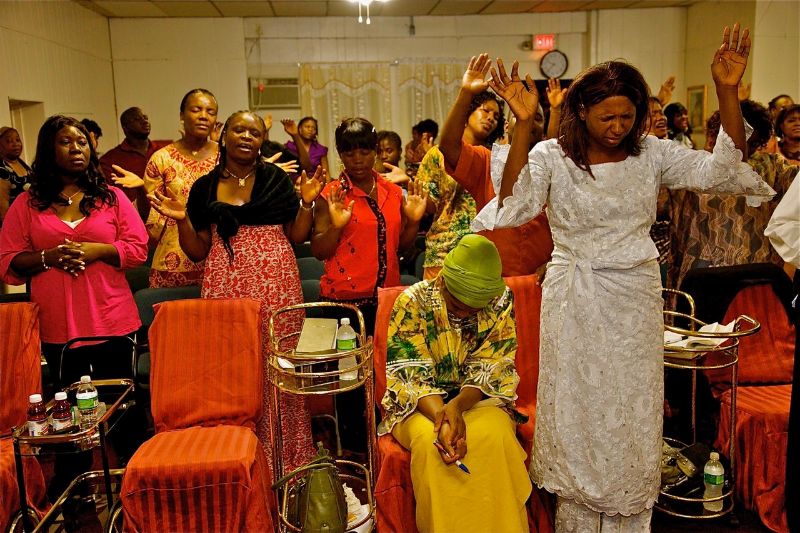
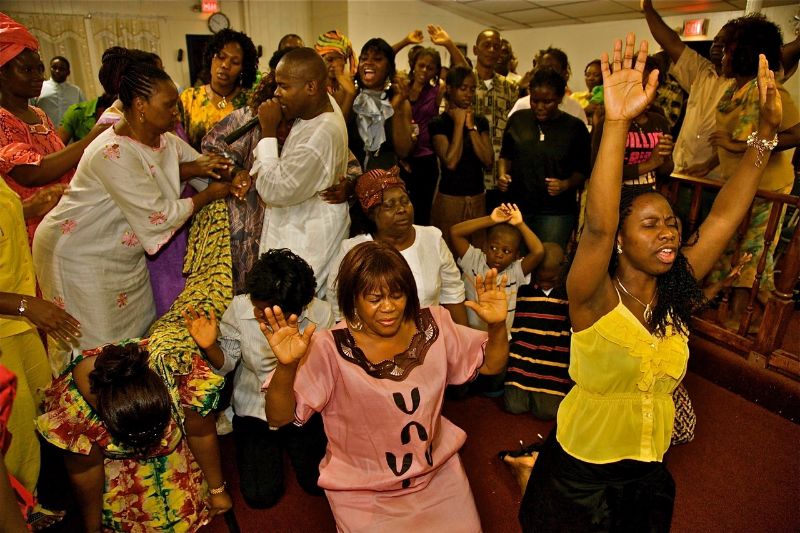
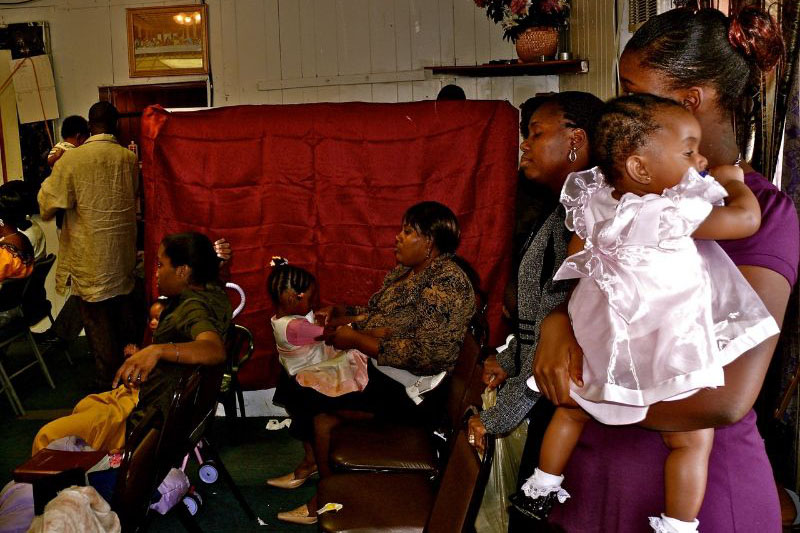
Anna: Well thank you for telling the history your life how things changed. Thank you for sharing those terrifying moments that you went through but that you received your survival in order to conformed to God. Could you talk a little bit about, we talked about how the people that came around you were naturally were Liberian. These were people who heard about you and what you were offering. Would there be any way you could kind of describe to me you know who the people are that come to the church? Have they been here a while, or are they here more recently from Liberia? Is it constantly changing? The age of people? It looked like kind of families? Coming with their little kids and also there were elders too.
Bishop Beatrice Brooks: Most of the people here are Liberians but we have more nationalities. I like mixture because Jesus didn't come for one particular group. Now I have a lot of other nationalities, the DJ, he is from . He lives in Pennsylvania. He went to Africa and married my daughter. We have, often time we have people from, from time to time . Sometimes some black Americans. Some time we have Haitians. The people that carry the weight of my church are Liberians. They left from Liberia and went into Ghana . Some of them came over here as part of the refugee.
Anna: Would you say that the majority of the Liberians who are in the congregation came during the period of the war?
Bishop Beatrice Brooks: I ran away and went into the village. Some managed to get on a ship. Some managed to fly. So people just left. So we have a mixed congregation. But the thing is the crime rate in this . When I moving here. Oh my God, this community was . In general. One year maybe five years ago one lady lost three of her children. We just went and pray for her.
Anna: Was it gang?
Bishop Beatrice Brooks: They just drove by and shot the last boy.
Bishop Beatrice Brooks: I wake up at 5 o'clock in the morning and pray. To just be there for them. It just reminds me of the rebels back home. They do drugs. They just need God. God is going to draw them and deliver them and set them free. When you pray, it takes time, but he hears us and he answers. He will bring his people. He going to change them and transform them. So that they too, can in return transform their lives and their generation. You see generating to generation. This generation will pass and this one will take over. Your generation. What you can do for your generation.
Anna: So you came here and part of your ministry, obviously, was not just helping your people from Liberia. Before you came were you aware of the history of racism in this country and . I know a lot of Haitians and when they came here they were shocked. They have never experienced racism because of the color of their skin.
Bishop Beatrice Brooks: You're never prepared. Whatever God brings, you just take it one day at a time. They never tell you about the violence in Africa. I was started working in the nursing home, they will spitting at you, kicking you. If you love me, if you have the love of God.
My dad died when I was a teenager. Definitely was. She was 84 when she died. And I taught her what I learned in the nursing home. I was able to take care of her. She was sick I left my home put my things in storage. And I went into her apartment. I was there for her. And they saw what I did. So tomorrow I pray that they help me. This is your country. I'll be going back. And I will hire my maid!