
Apostle Lionel Brown, Jr.


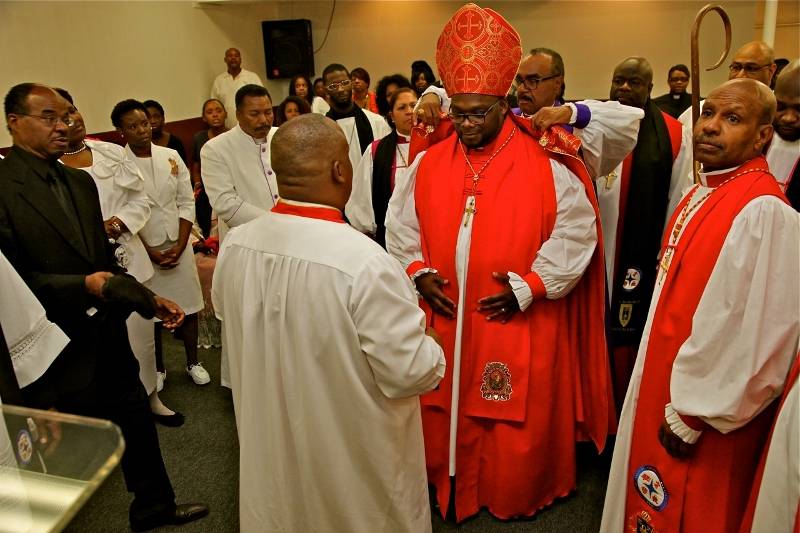

The Church on The Rock
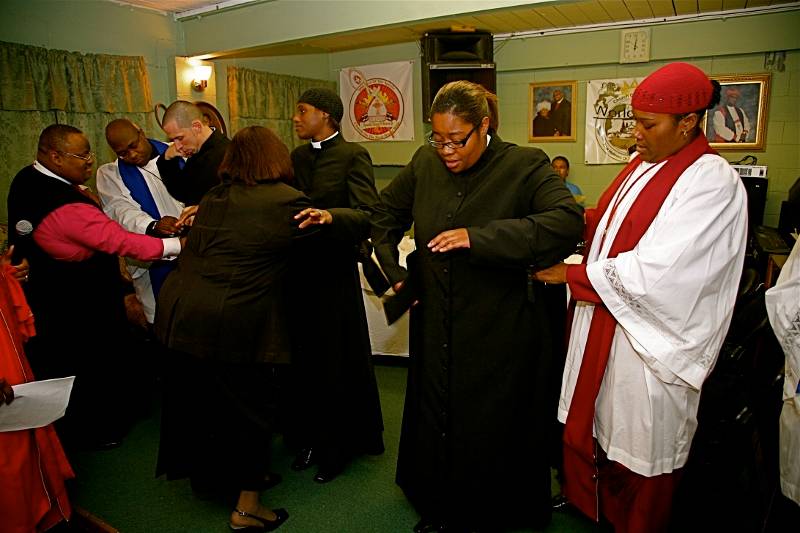
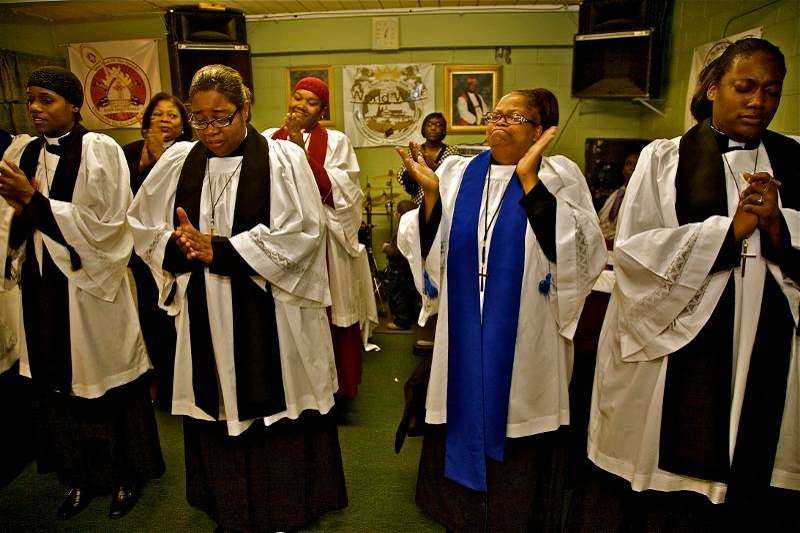
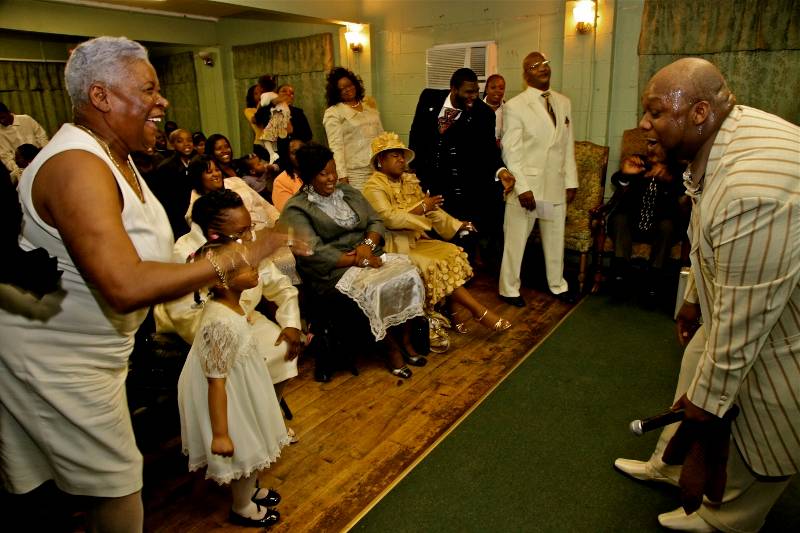
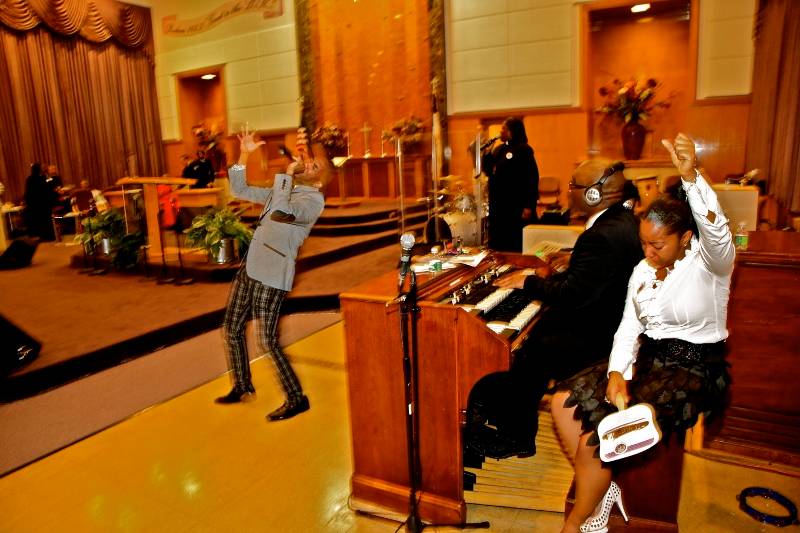
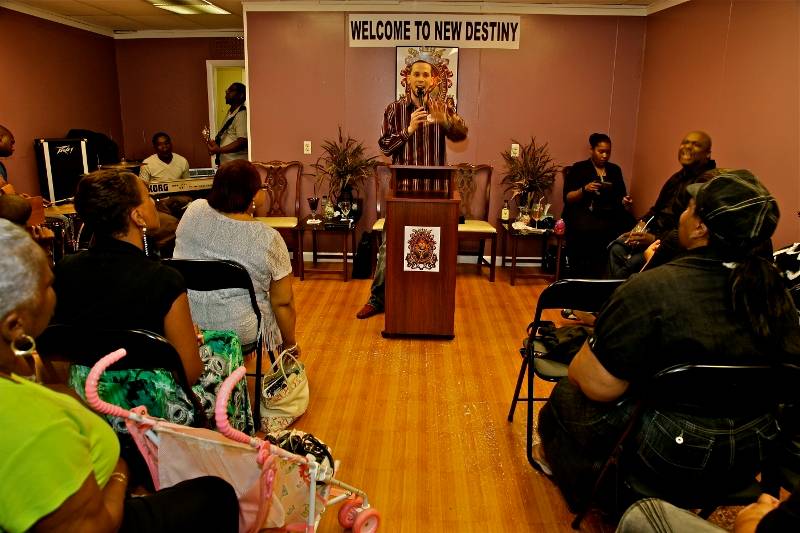
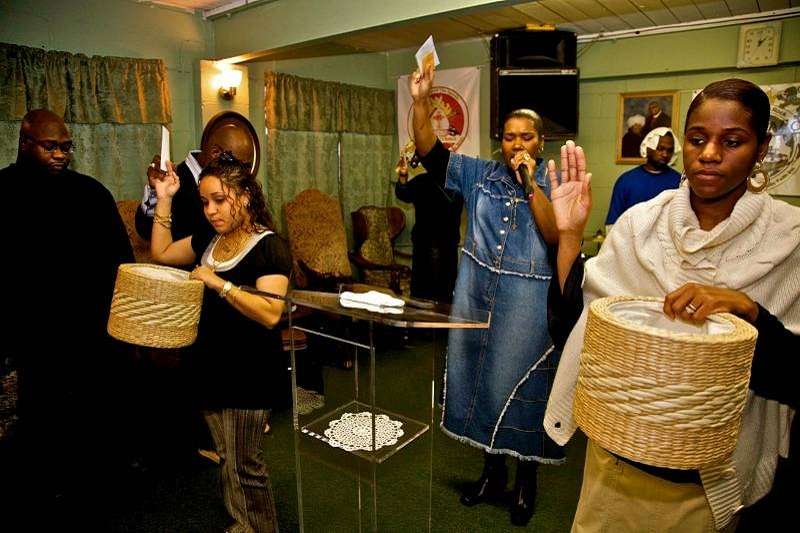
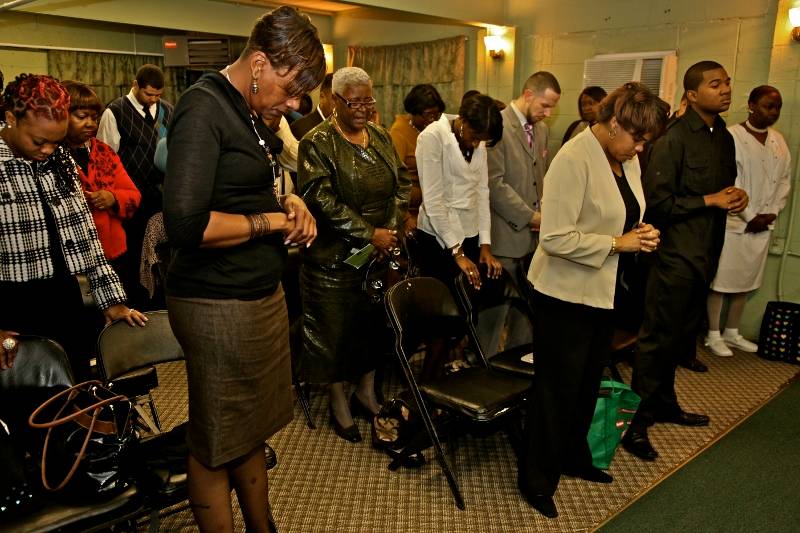
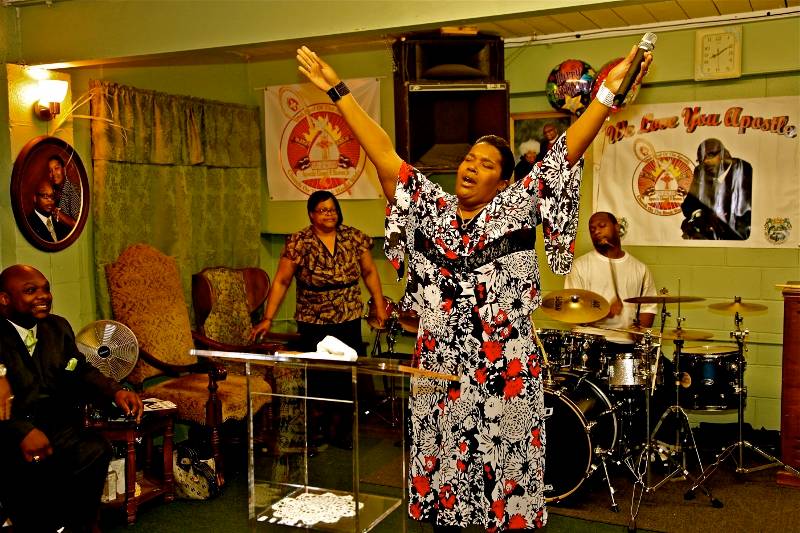
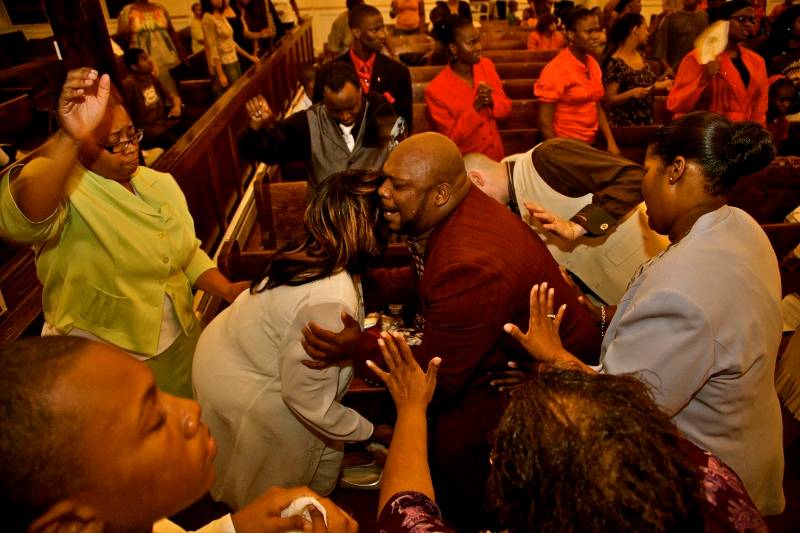
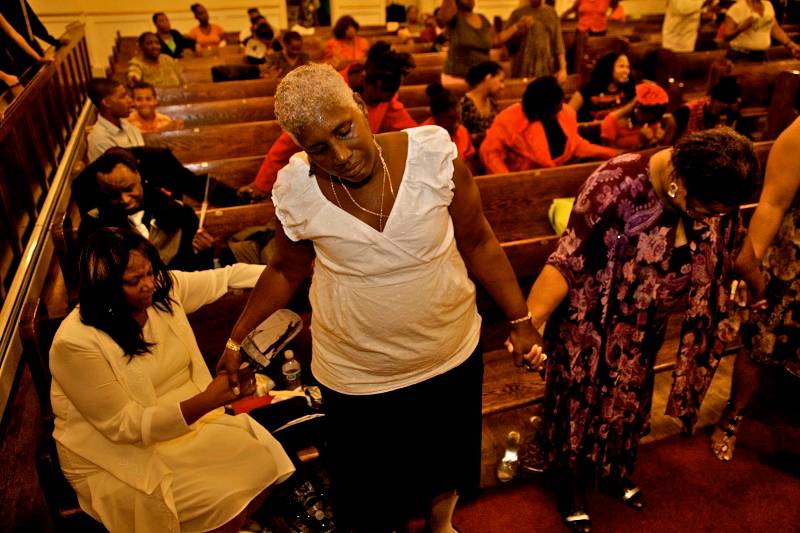
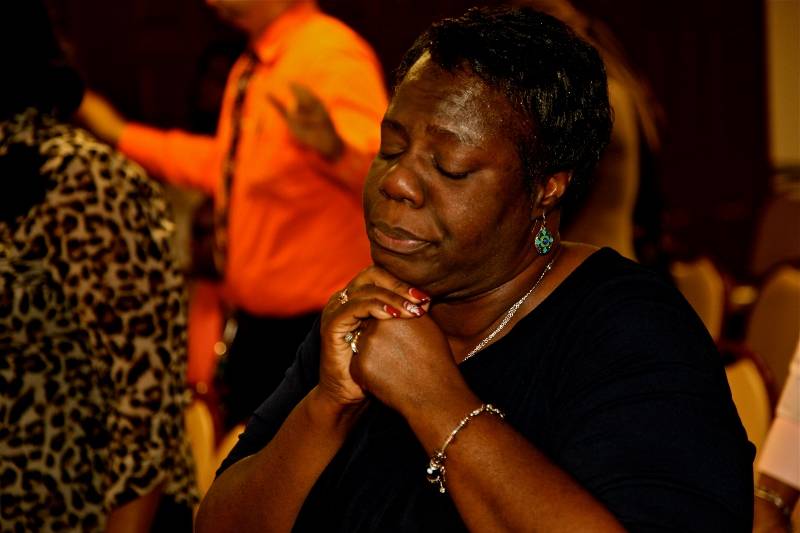
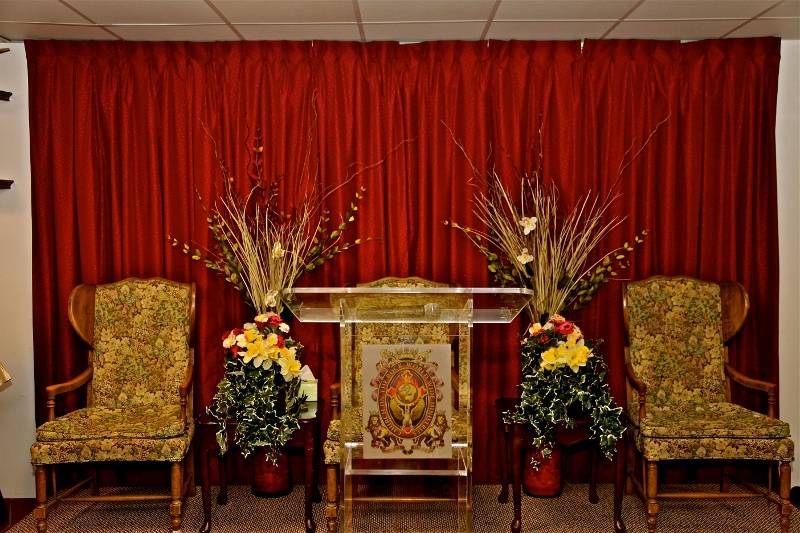
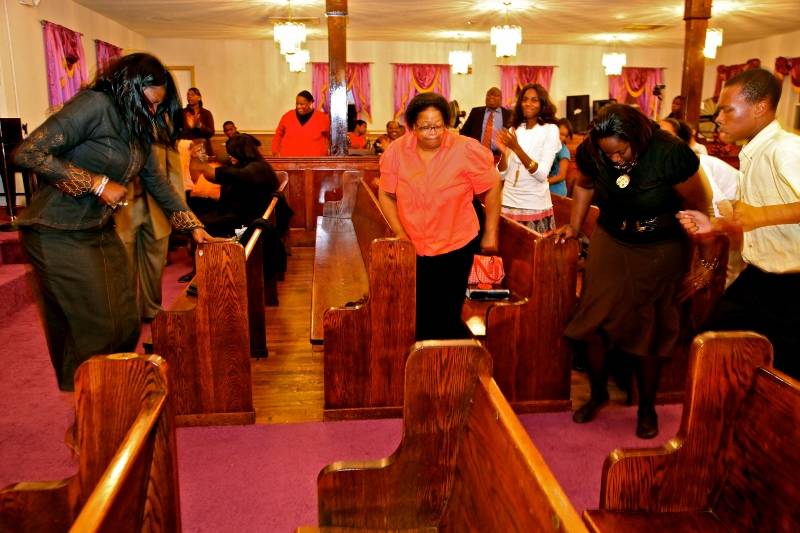
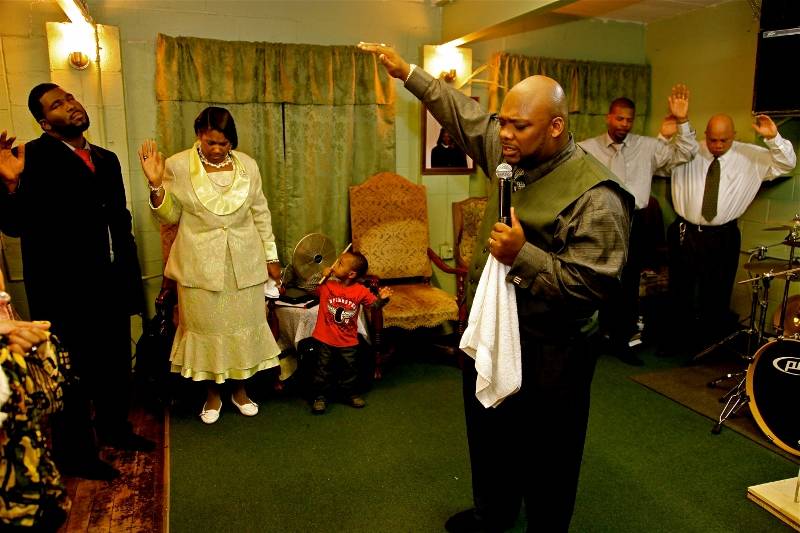
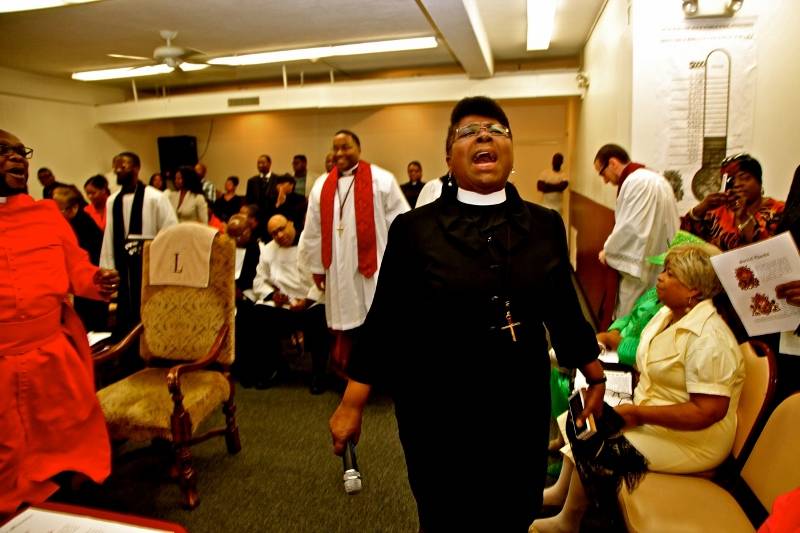
Church on the Rock has been a lighthouse in the city of Providence for over a decade. With its many ministerial gifts, the Church on the Rock caters to social and personal problems associated with life in urban America. The Church on the Rock's understanding of and compassion for those in the urban environment underscores that context is an important variable in shaping the contours of ministry. Context matters. One of the church's chief aims is to "win the people on the streets to Christ." To achieve this aim, Church on the Rock rejects the "judgment and piety" stigmas commonly associated with traditional or classical Pentecostalism in North America. The church's rejection of "sin-based and hellfire" theology illustrates the neo-Pentecostal strand present in contemporary Protestantism. As Apostle Lionel Brown states, Church on the Rock is a "perfect place for non-perfect people." With over 80 members, Church on the Rock's nonjudgmental disposition strongly attracts people from all walks of life.
While the Church on the Rock caters to problems that perennially plague individuals in urban Providence, it actually had its origins in the Piedmont region of North Carolina. Therefore, the roots of the urban ministry at the Church on the Rock extended to North Carolina, a region that was commonly known for its flourishing tobacco farms, textile, and furniture factories. In fact, Church on the Rock was founded in Winston Salem, North Carolina in December of 1995.
While Apostle Brown spent most of his adolescent years in Providence, Rhode Island, his family relocated to the Piedmont state (North Carolina) after the passing of his grandmother, Pauline Benton. Coming from a long bloodline of preachers in the Pentecostal faith, Benton was pastor of the Saint Matthews Household of Faith Pentecostal Holiness church in Rhode Island. What most stood out about his grandmother was her willingness to sacrifice the comforts of living in a luxurious retirement home to organize a church. It was her faithfulness that would certainly influence Brown and his ministry. Once the Browns arrived in Mount Airy, North Carolina (approximately 35 miles outside of Winston Salem), it was his grandparents who were instrumental in shaping his faith and ministry. Prominent in the House of God (Dominion) Movement, Brown's grandfather was also a pastor and also worked for a chicken plant in Dobeson, North Carolina. Although diagnosed with terminal cancer, his grandfather never relinquished his responsibilities as pastor. In his last sermon, a couple of days before he died, he described his vision of his 'new being' in heaven while he whooped and danced in the pulpit. This vision captured his triumph over disease. Brown would strive to match his grandfather's dedication and intensity.
After the passing of his grandfather, his mother decided to start a church in the countryside of North Carolina. Interestingly, Brown's mother sought to continue Benton's Saint Matthews Household of Faith Pentecostal Holiness church. It was at this juncture that Brown received and subsequently accepted his vocation to start and organize Church on the Rock with only his wife and children. Claiming more members with his dynamic preaching, Brown decided to move the congregation back to his hometown of Providence, Rhode Island.
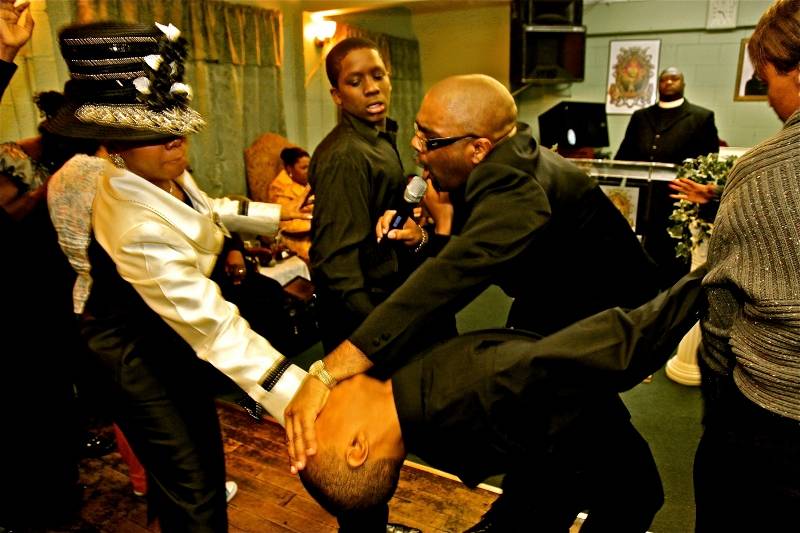
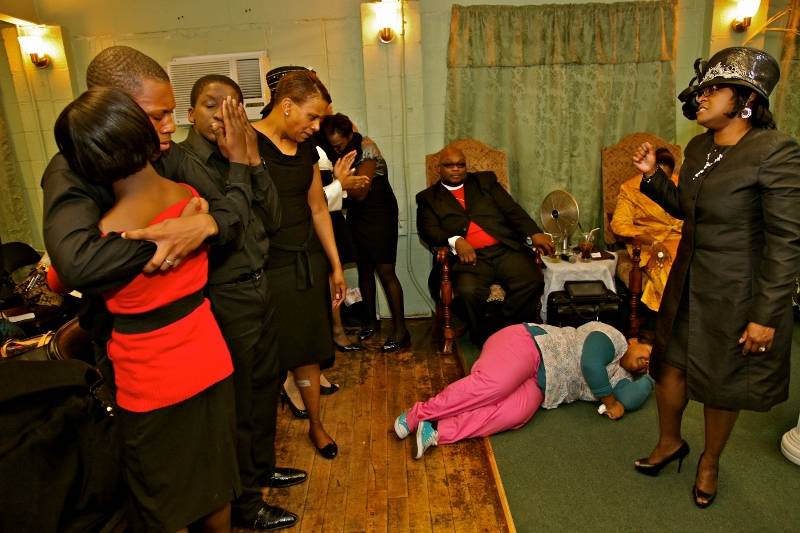
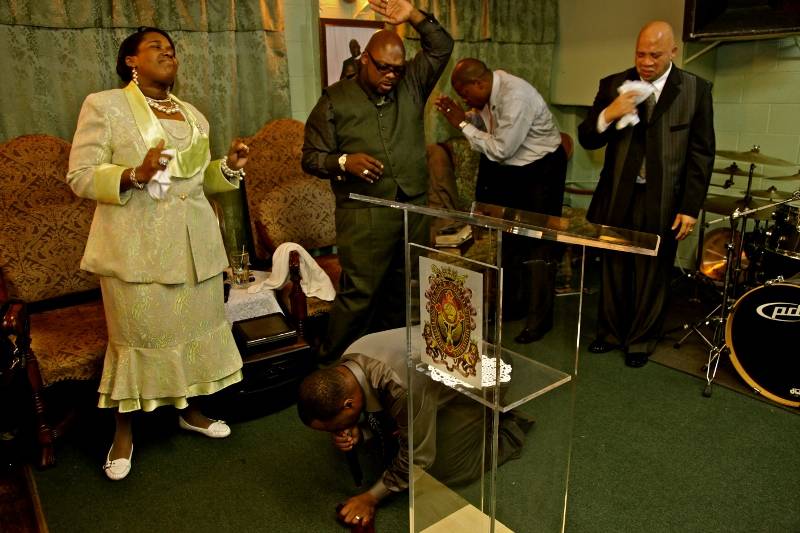
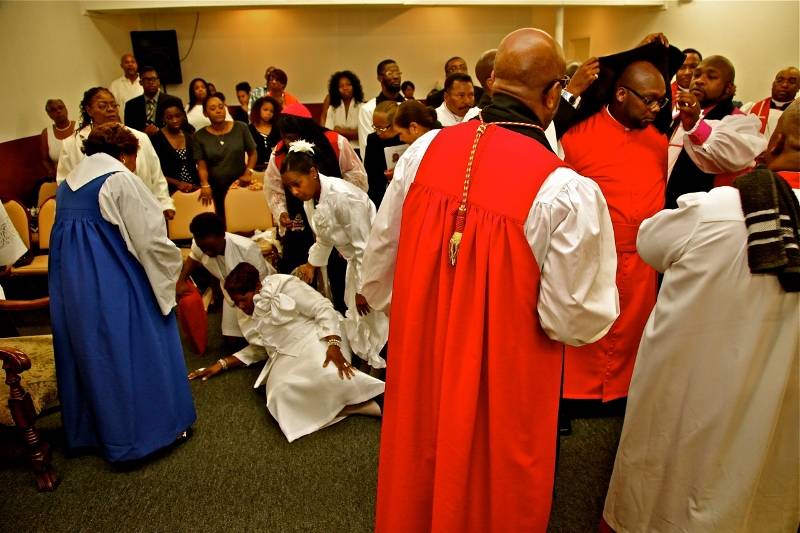
The Church on the Rock's special commitment to transforming people on the streets is intimately intertwined with Brown's religious conversion. Before he accepted his vocation to pastor at the young age of seventeen years old, Brown was engaged in gang life on the streets of Providence. Restless and unfulfilled by gang life, he harbored feelings of insurmountable and 'unexplainable' frustration. It was this spiritual void that drove him to a "tarrying service" in a storefront church. Within the African American Pentecostal experience, to "tarry" means to wait. Similar to disciplines who prayed and waited on the Spirit to fall on them in an upper room (Acts 2), a "tarrying service" is a ritual where the "saints" fervently pray to induce and wait on the Holy Spirit, which is usually evidenced in glossolalia or the practice of "speaking in tongues." This service has the potential to last for many hours into the night. While at the tarrying service, he remembered falling on his knees, crying profusely, and petitioning the presence of God to come into his life. At the tarrying service, Brown devoted his life fully to Christ and six months later, he accepted his vocation to preach. It was this spiritual transformation from gang life to Christian life that contributed to his special ministry and sensitivity to the gang member, drug pusher or addict, homeless person, prostitute, un- and underemployed, the lame and sick inhabiting the streets of Providence. Brown knew from personal experience that no person was outside of divine transformation and power. To present a nonjudgmental and loving atmosphere, Brown decided to deemphasize (or eliminate) the Holiness and Apostolic label previously in the church's name for fear that it might create a misperception of exclusive piety. As sociologist Robert Wunthow states, the Church of the Rock embodies a post-denominational orientation that gained popularity in America after World War II.
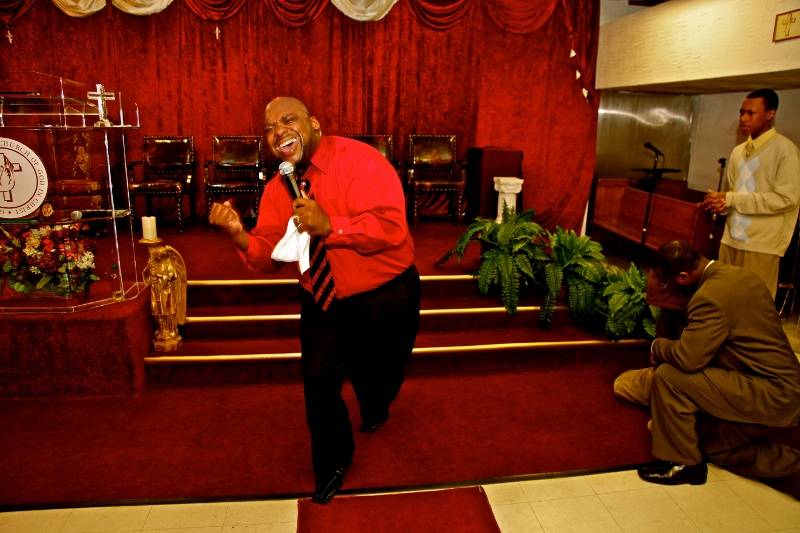
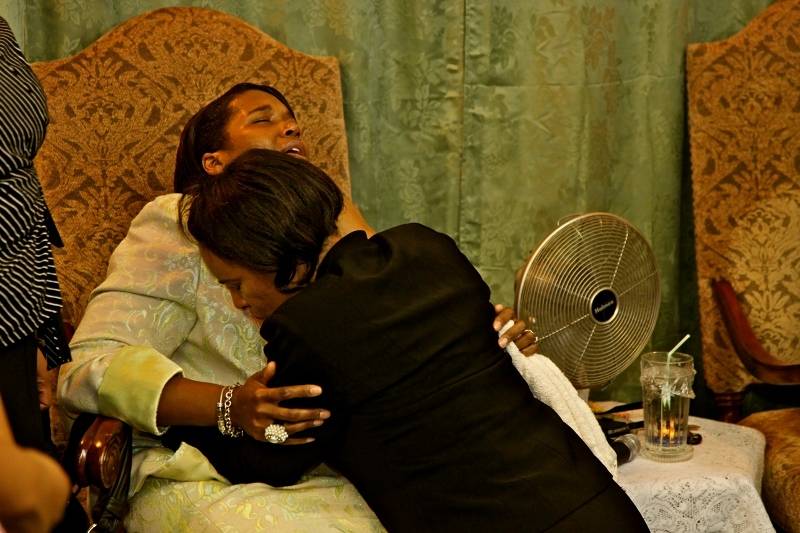
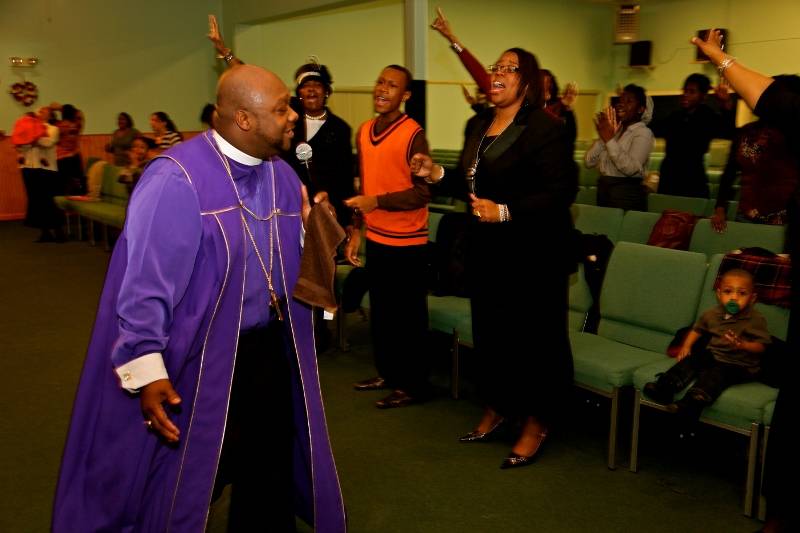
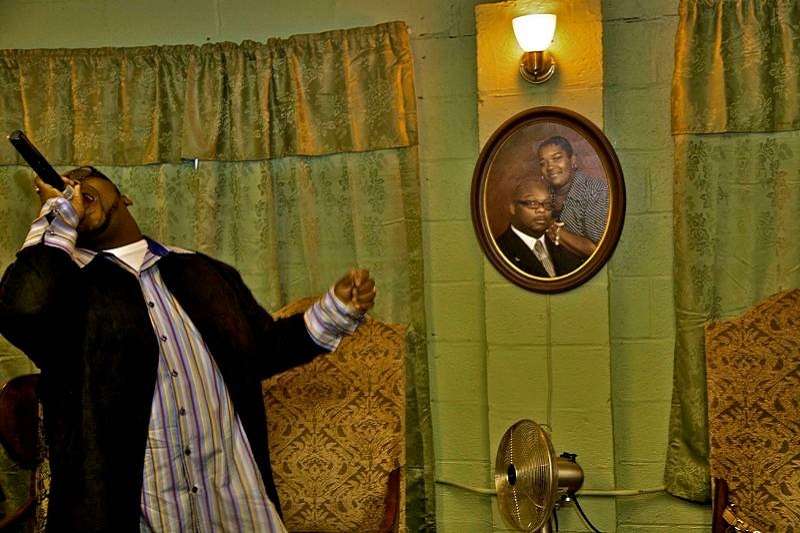
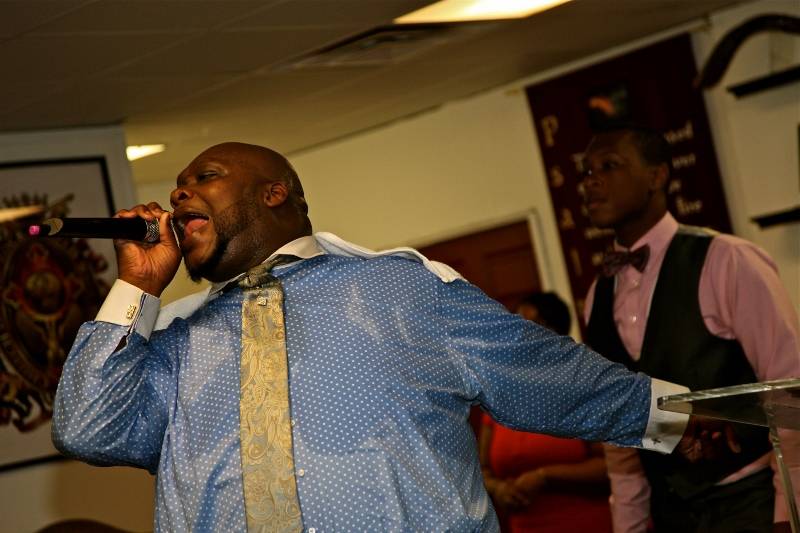
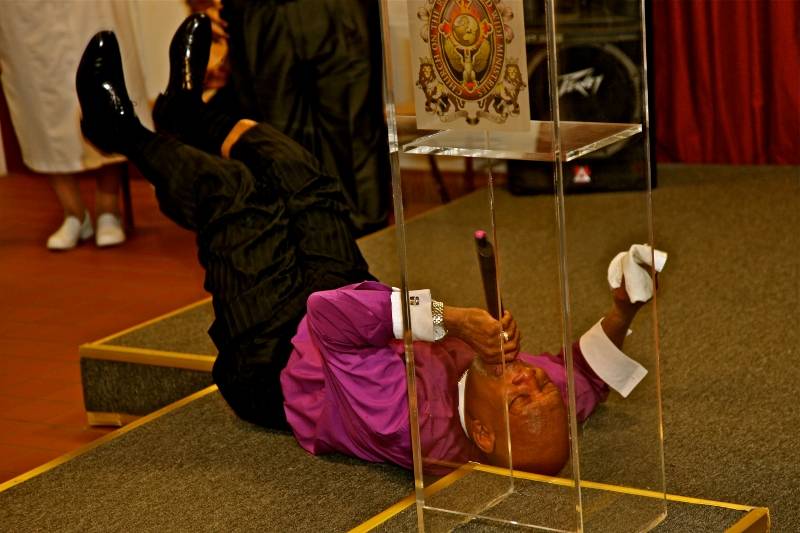
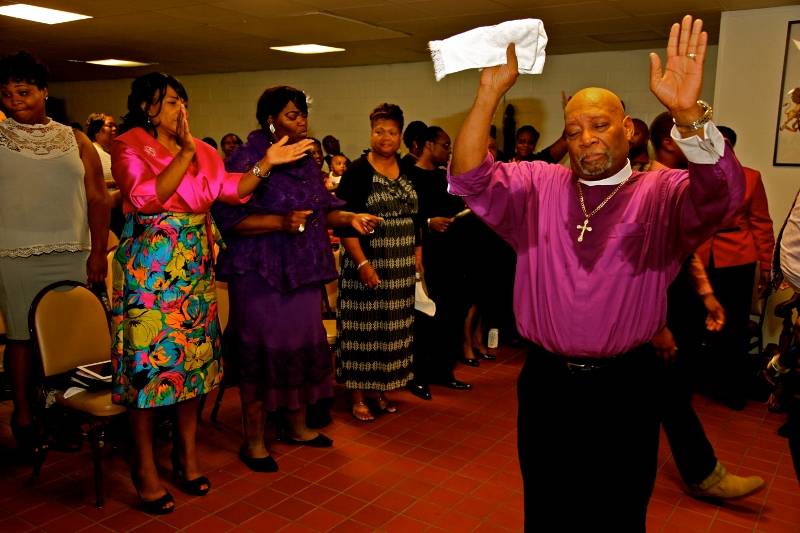
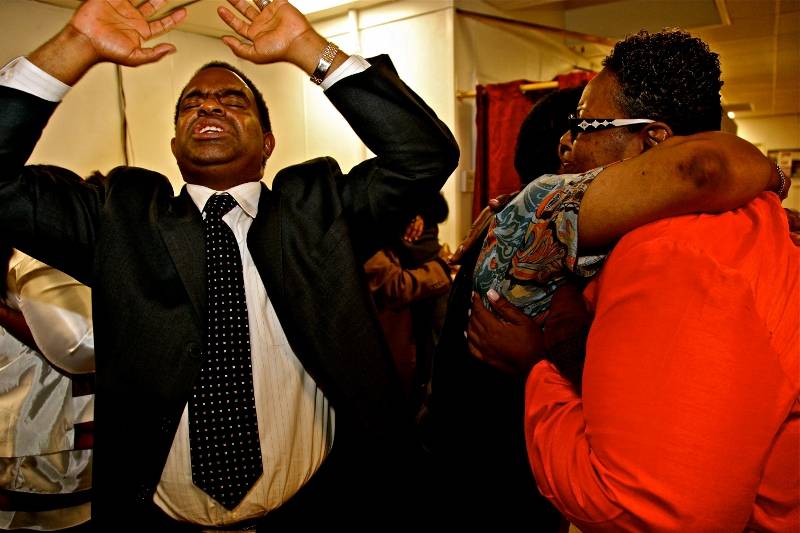
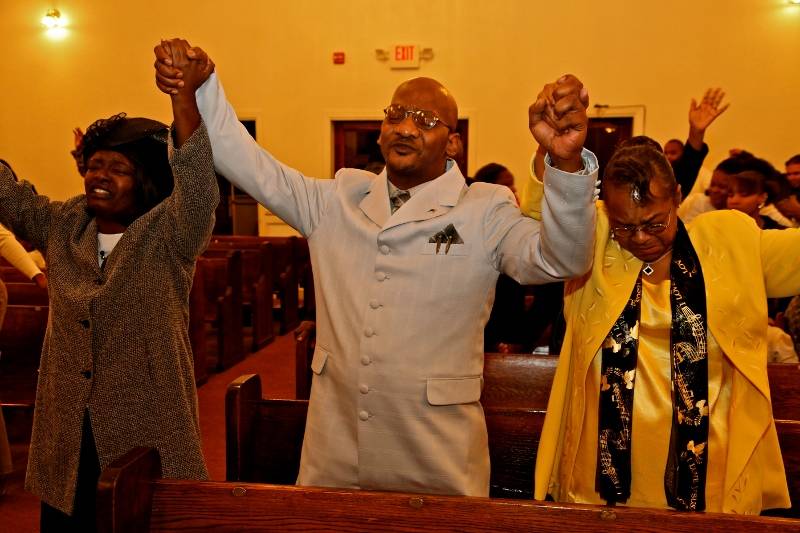
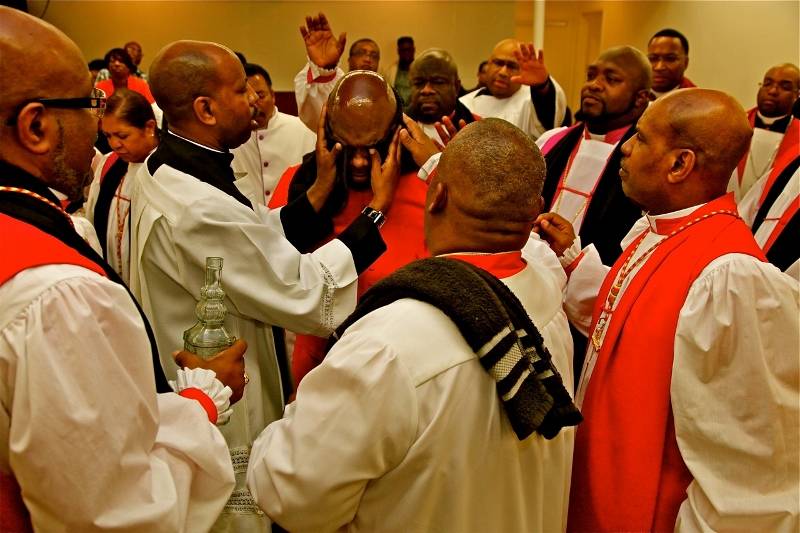
To be sure, Pastor Brown has many gifts of the spirit. His gifts range from prophecy to interpretation, healing and proclamation. Regarding proclamation, Brown's charismatic personality and vernacular preaching-style spurs the ecstatic worship among the congregants. He mesmerizes congregants with his "whoop," a rhythmic style of preaching in the African American tradition that causes congregants to passionately erupt with shouts of "Amen!" or "Preach!" This verbal dance between preacher and the congregants illustrates the "call-and-response" ritual familiar in American religious vernacular tradition. Brown treads a nice balance between style and content. His preaching is never devoid of research and information. He attributes his emphasis on biblical doctrine and research to one of his spiritual mentors, Apostle Robert Robinson, at the House of Manna in Providence, Rhode Island. Church on the Rock promotes religious education through its bible school. The bible school has extended its reach beyond the United State into faraway lands such as Haiti and eventually to Africa. The Church on the Rock extends its message and ministry to Florida, the Carolinas, and also to Haiti and Africa. Following an episcopal network, the Church of Rock trains pastors to develop churches in other places. In this sense, Brown respects ecclesial positions such as "bishop" and "apostle," which he believes are biblically rooted. He believes that understanding hierarchical position is essential for the 21st century church. In July of 2015, Pastor Brown was ordained as Chief Apostle in the Pentecostal faith.
The Church on the Rock is transforming lives for the better. It is a vibrant ministry that demonstates that nobody is outside of the love and power of God. Pastor Brown is a living testimony that God's divine power and love extends to all people regardless of geographical location and social position. The gift of the Church on the Rock ministry is that it connects everyday and ordinary people to their extraordinary spiritual power in God.