
Bishop Dwight Dove




















God's House Ministry
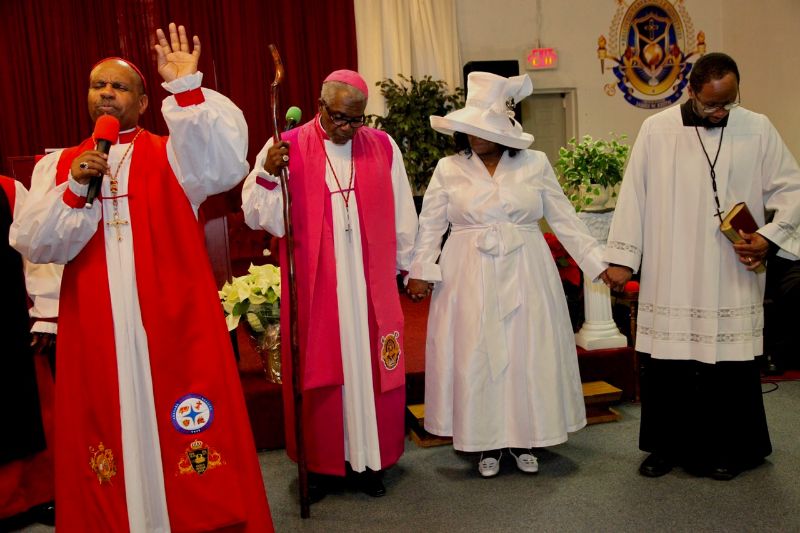
God’s House ministry, according to Bishop Dwight Dove, deliberately seeks to help people in Rhode Island and the entire world to experience the "fullness of God" in every aspect of their lives. Founded on August 11, 1985, the ministry works to be a "holistic" ministry that positions people to experience the "completeness in life with God"-a life of satisfaction, self-awareness, and uplift.
God’s House achieves its divine mission in a myriad of ways: the establishment of programs designed to address mental health, engagement with other faiths to collectively enhance the welfare of the community of Rhode Island through first response programs, meetings with local and state law enforcement in wake of national tragedies, and creating multicultural programs that inform the congregation of other ethnic cultures for the sake of cultivating racial and ethnic democracy. This multicultural program is part of the ministry’s emphasis on religious and cultural education. Soon, the mission will expand beyond Rhode Island and the United States through missions work in Africa as well as broadcast time on the popular NOW network. God’s House vision and ministries expand the gamut of religious and social work in order to satisfy its divine mission on local and global planes.
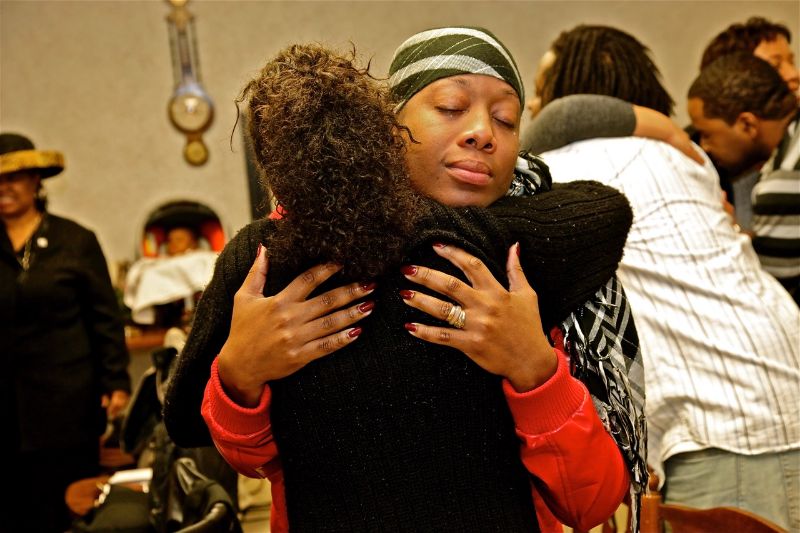
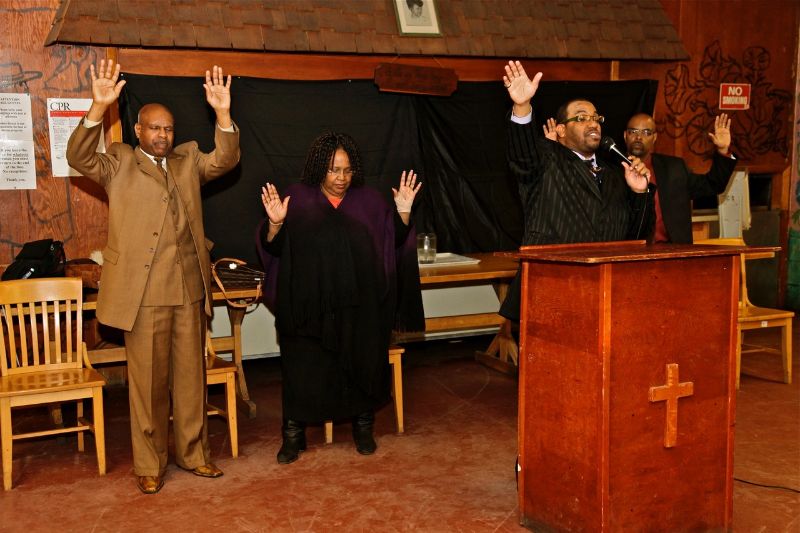
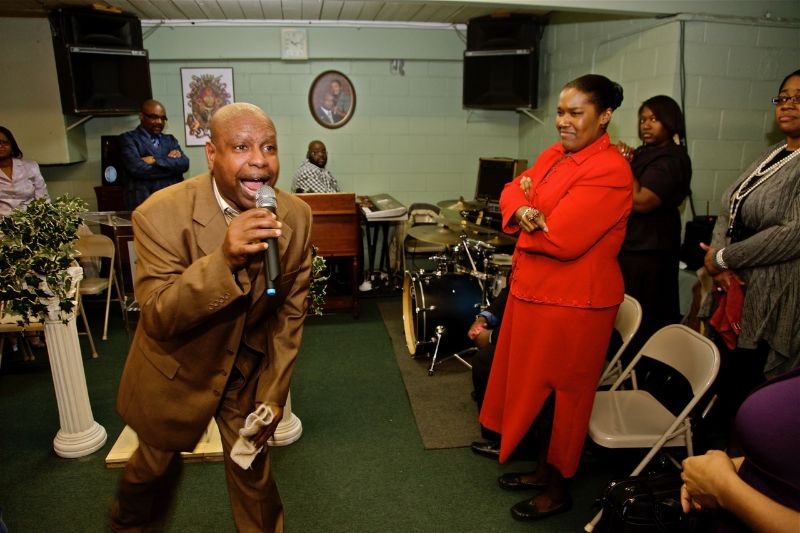
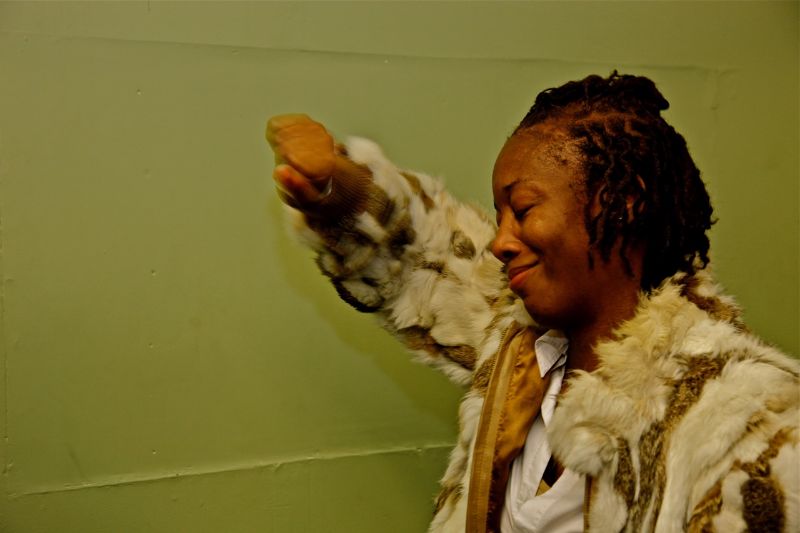
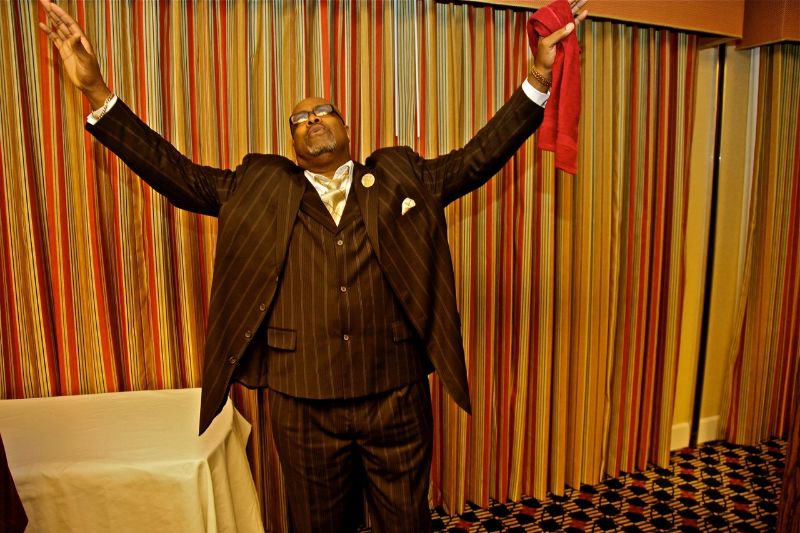
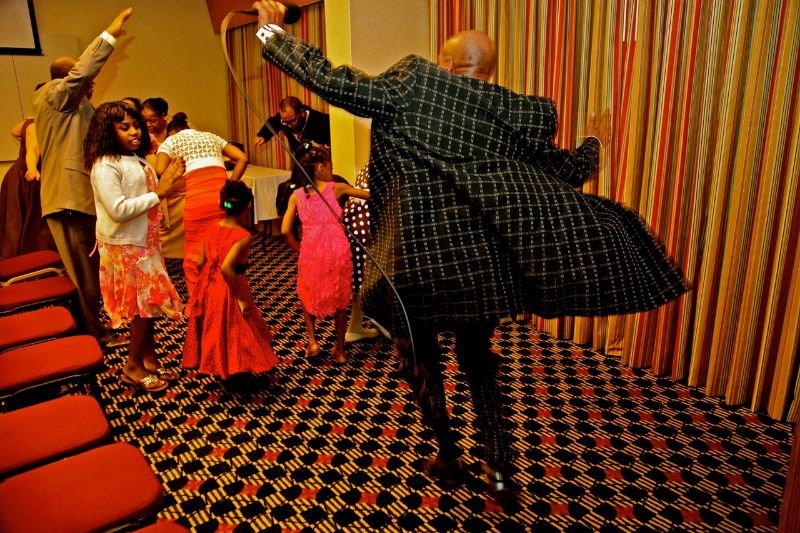
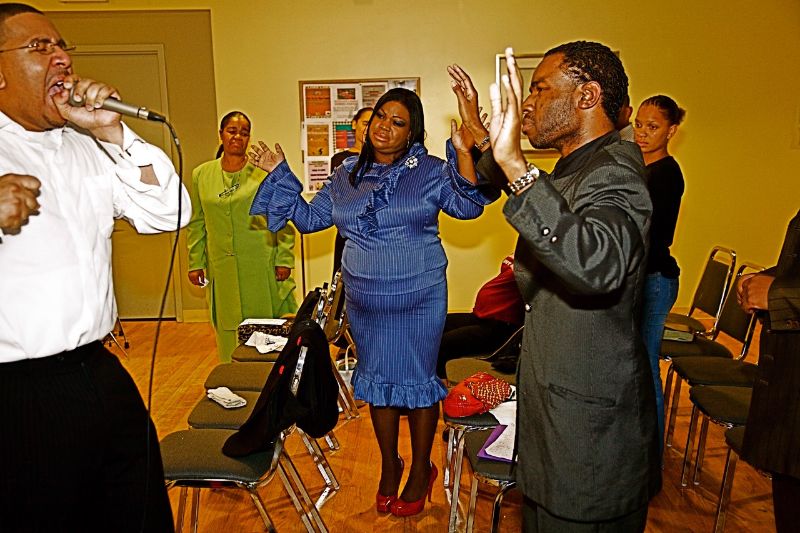
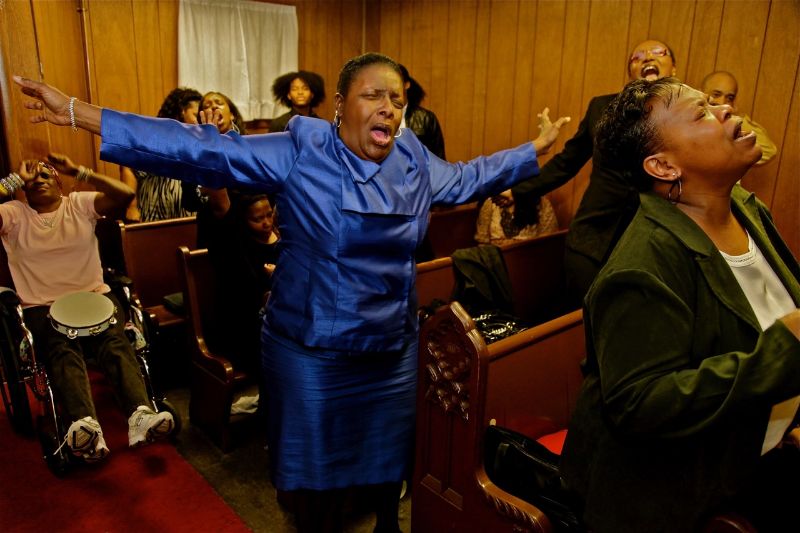
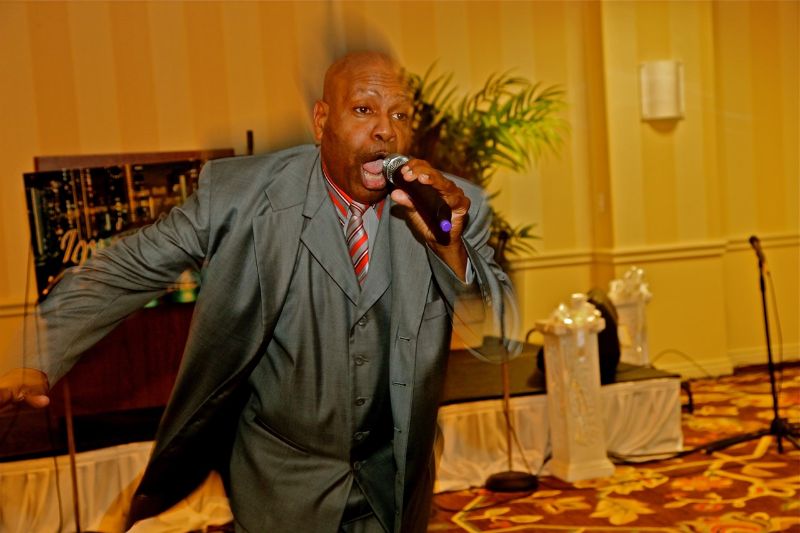
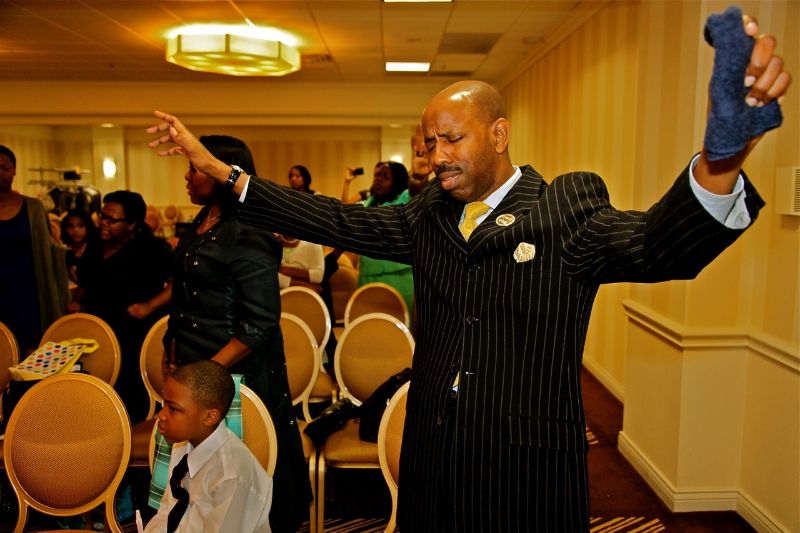
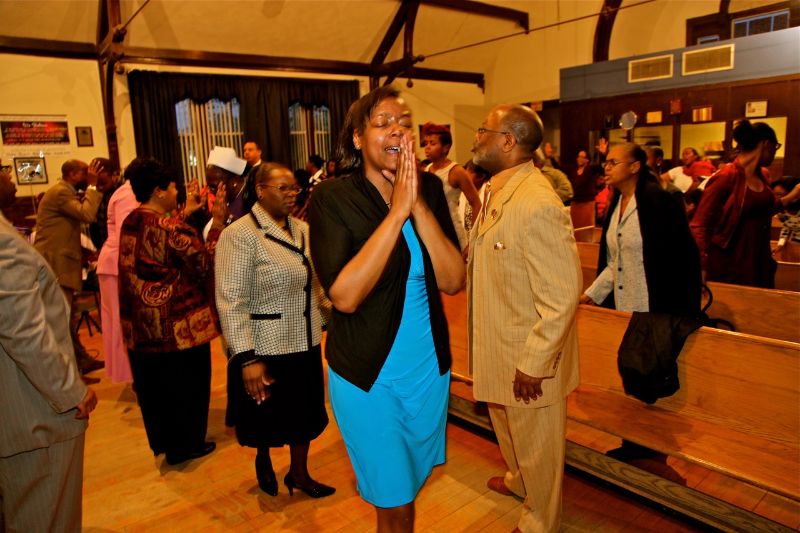
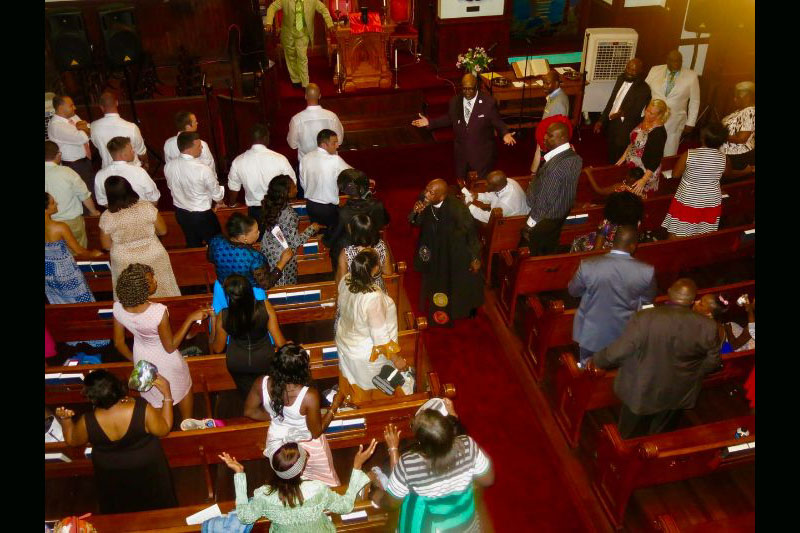
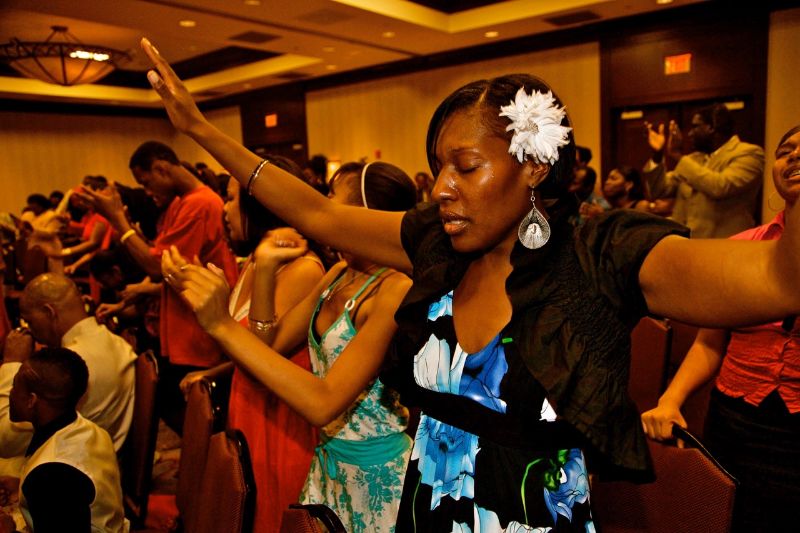
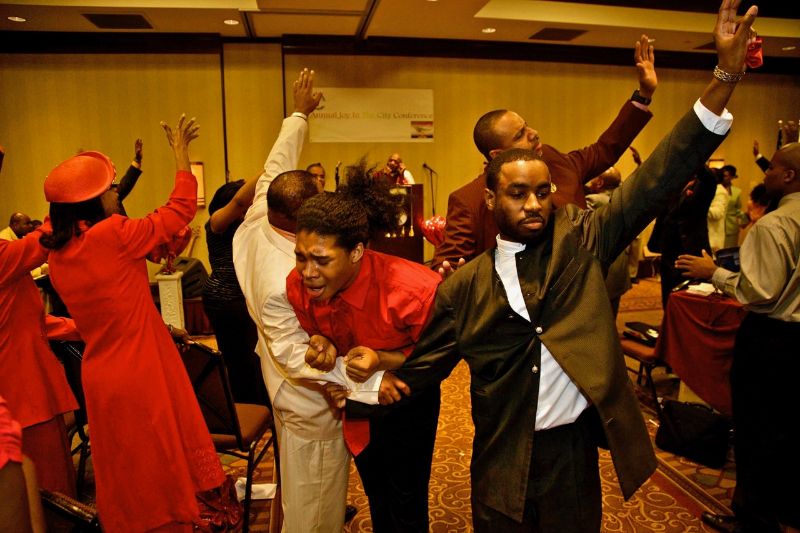
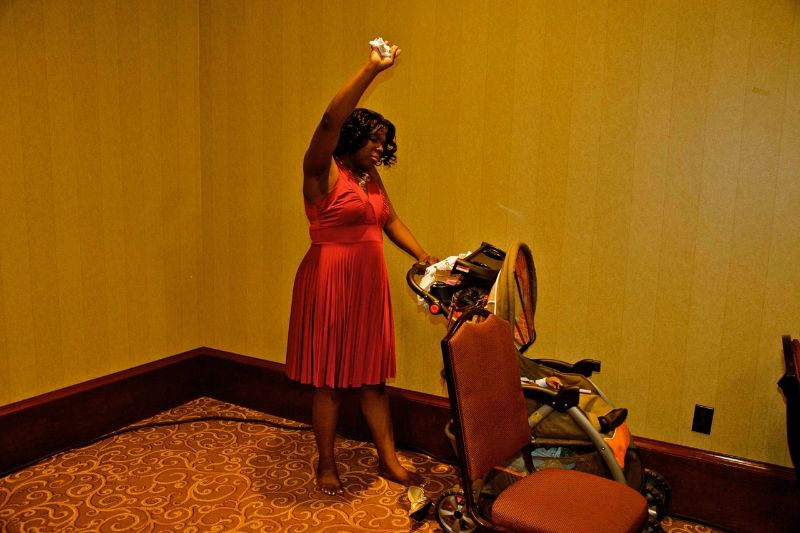
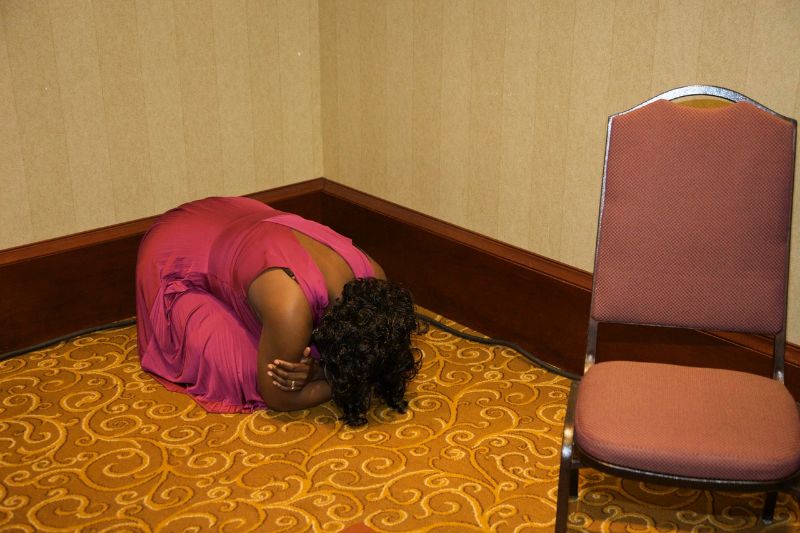
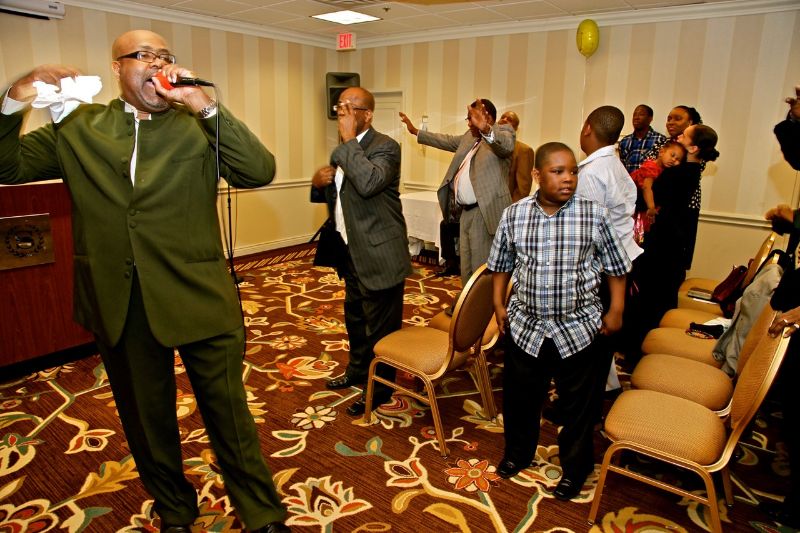
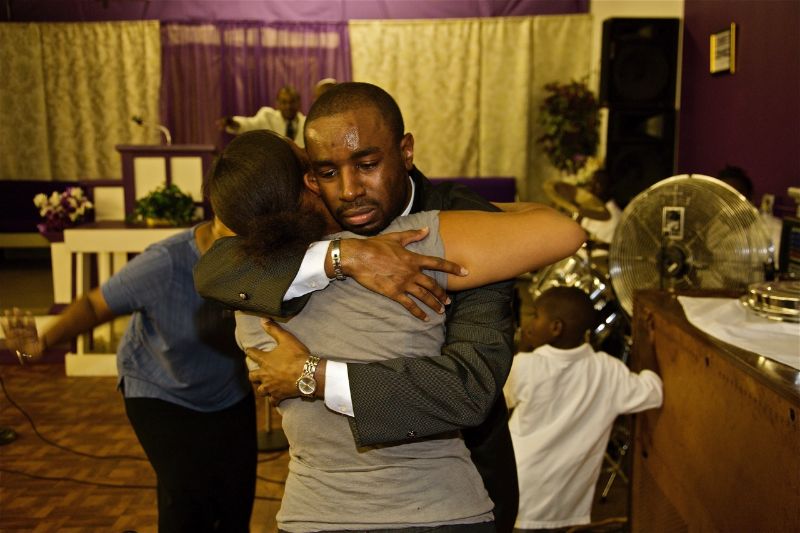
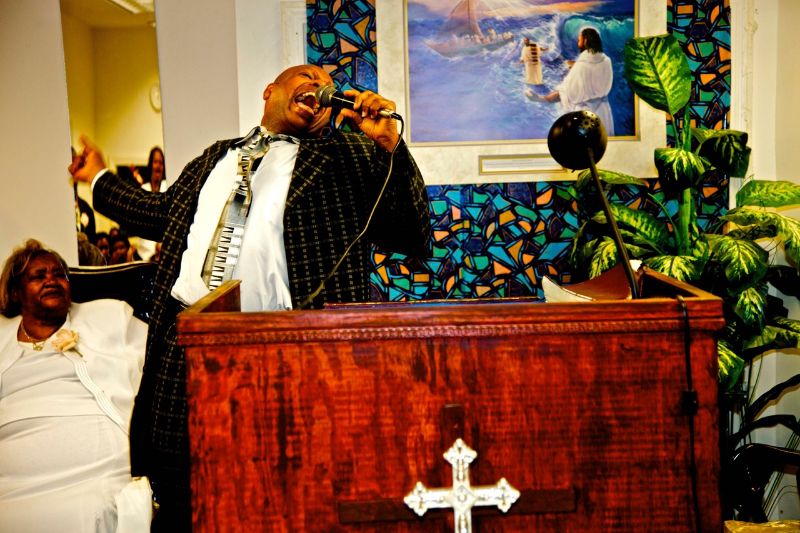
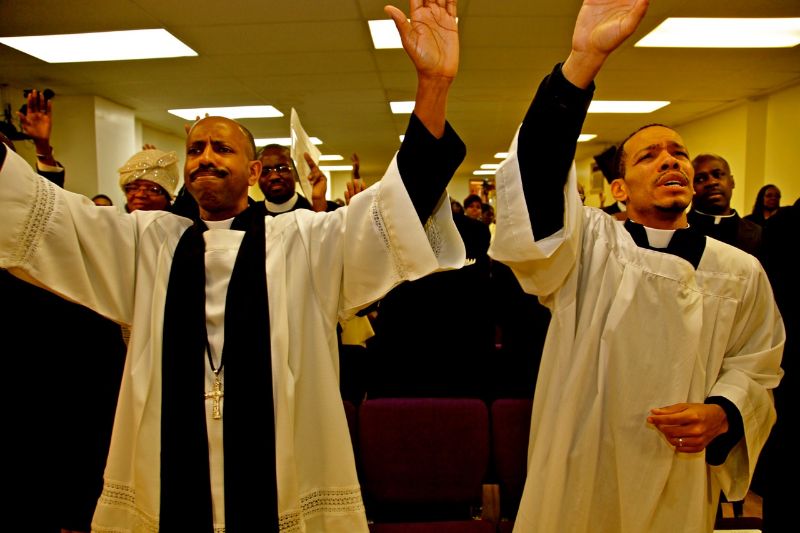
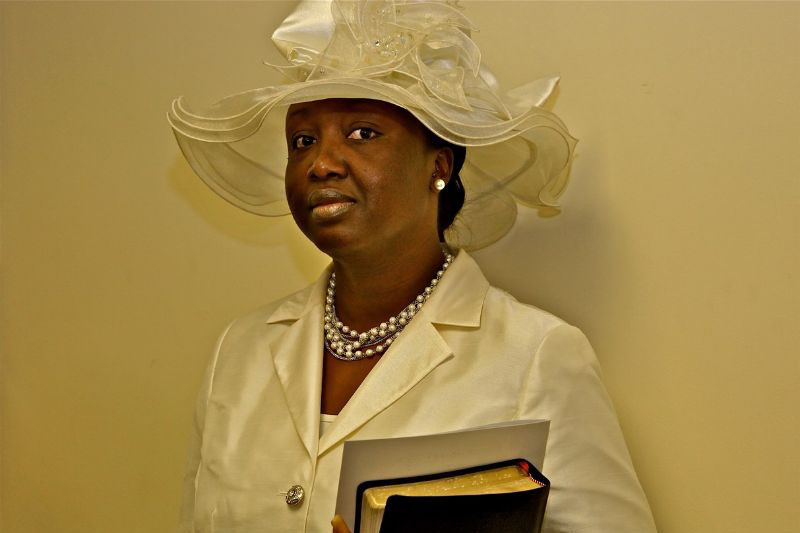
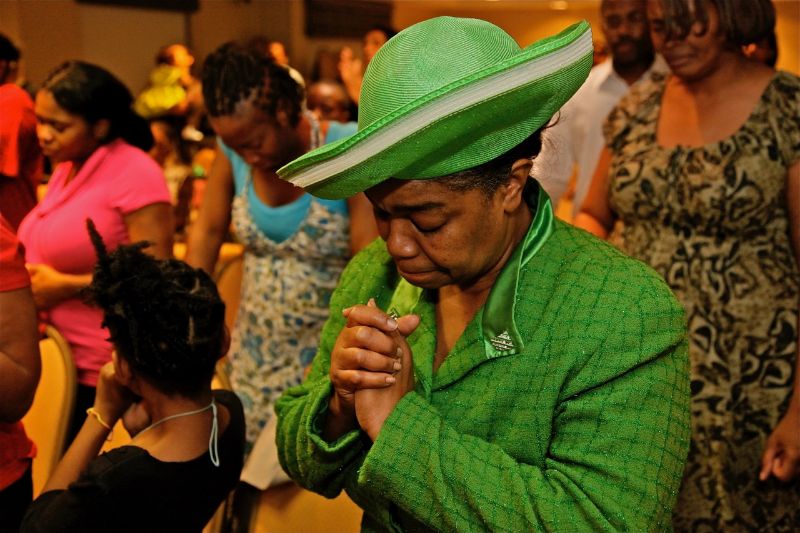
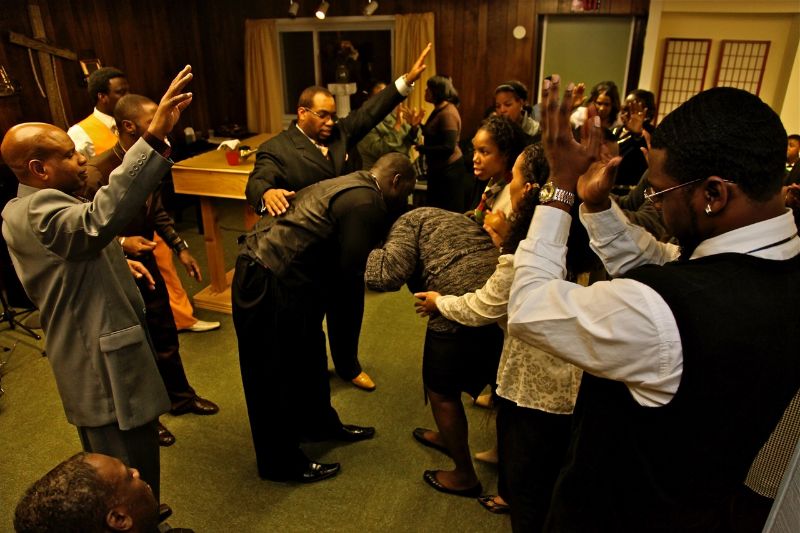
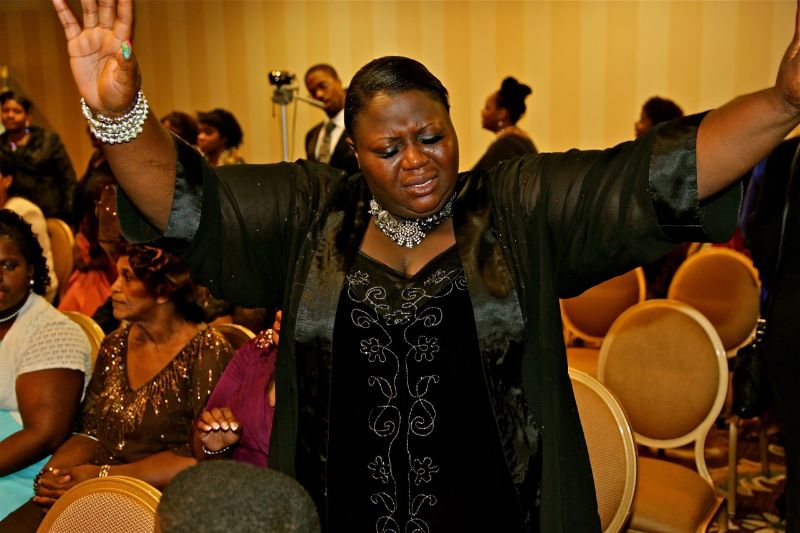
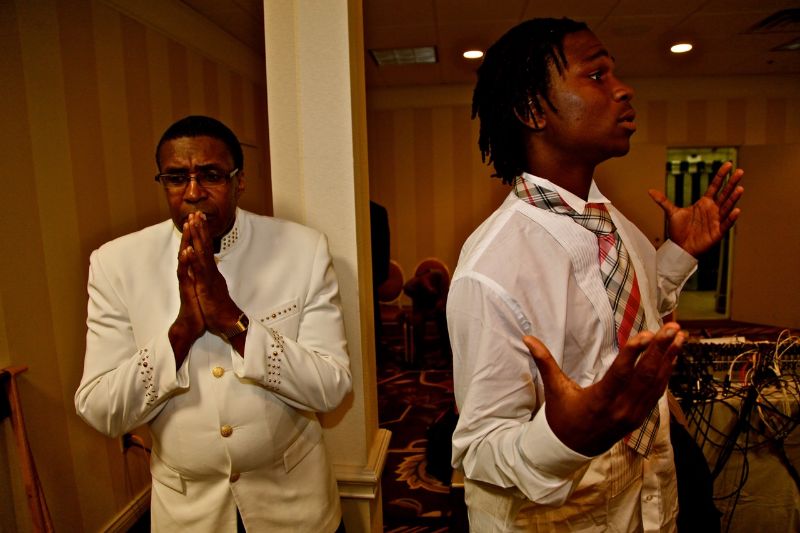
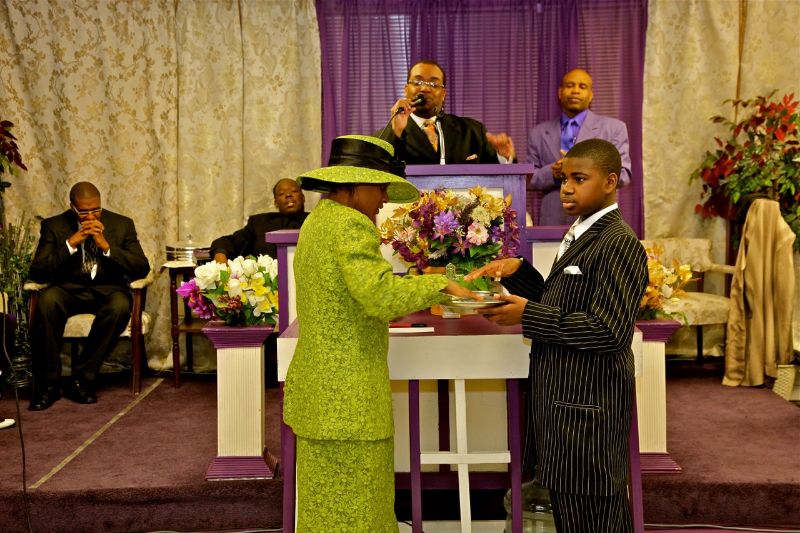
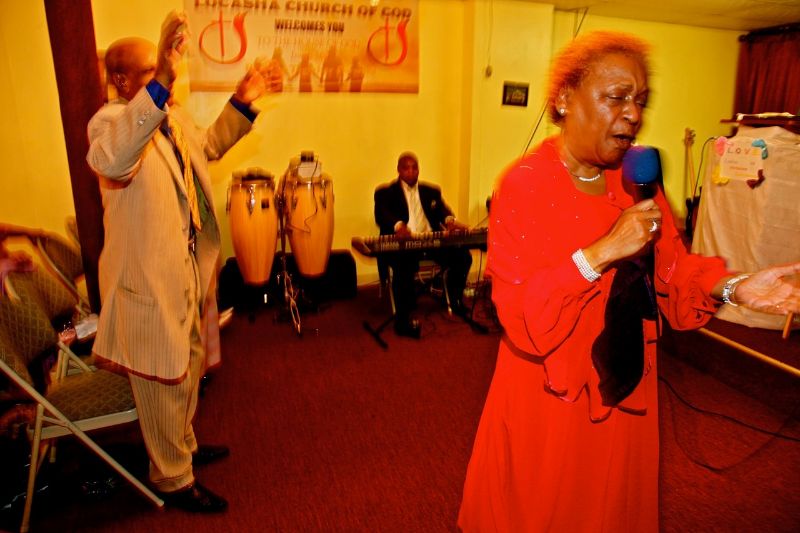
In addition to its many outreach ministries, it is common to visit God’s House on a Sunday and witness congregants engaged, in what many couch, as ecstatic worship. The observer will see individuals shouting, dancing, or laying prostrate on the floor under the sound of Bishop Dwight Dove’s rhythmic chanted sermons (or "whooping" in common church parlance) that is part and parcel of the rich African-American preaching tradition. Prostration, shouting, dancing, and whooping are evidence of the person’s experiential encounter with the Holy Spirit familiar to Pentecostalism. In academic parlance, one may characterize God’s House as part of the contemporary trend of neo-Pentecostalism that reinterprets traditional or conventional Pentecostal beliefs within contemporary culture to reach a broader audience. Although he is quite familiar with the moral codes required of sanctified saints in traditional Pentecostalism, particularly with the Church of God in Christ, Bishop Dove’s emphasis on sanctification does not entail stringent prohibitions against dress, entertainment, chewing gum, coffee, and/or sports. Instead, sanctification represents the full, satisfied, uplifted life in God that makes individuals "not better, but different." His view of sanctification, or being set apart, stresses God’s love and mercy.
While the category of neo-Pentecostalism is subject to debate, Bishop Dove understands that his ministry and God’s House are part of a long and rich tradition of Pentecostalism in the United States. His knowledge of Charles H. Parham, William Seymour, C.H. Mason, and Rosa Horn shows that he is familiar with the historical antecedents that account for his ministry, God’s House, and other contemporary Pentecostal ministries. Bishop Dove’s familiarity with the historical antecedents is more intimate than second-hand knowledge. His familiarity is literally in his family bloodline, heritage and "DNA." For instance, his maternal grandmother, Betty Hardley, received the spiritual gift of glossolalia (or "speaking in tongues") while listening to a sermon by Charles F. Parham in Kansas, Missouri.
God’s House and its embrace of racial democracy may be linked to his roots that date back to founding members of the renowned revival at 312 Azusa Street in Southern California at the dawn of the twentieth century. This revival actually challenged the white supremacy or "Anglo-Saxon Israelism" of Charles F. Parham by merging Pentecostalism with championing racial equality that included blacks, Chinese, Native Americans, Spanish, and other racial groups in California. According to Iain MacRoberts, the Azusa Revival understood spirit baptism to include the "power to draw all peoples into one Church without racial distinctions or barriers." 1 In this sense, Bishop Dove’s embrace of multiculturalism is linked to his cousin, Edward Lee, who transformed his house into the first property to house this bourgeoning Pentecostal revival before they occupied the vacant and former AME chapel on Azusa Street. The Lees allowed the one-eyed preacher, William J. Seymour, to sleep on their couch after he was booted out of the Holiness Church for his views on speaking in tongues. True to his tradition, Bishop Dove believes in the gifts/baptism of the Holy Spirit that is a crucial characteristic of Pentecostalism. Although God’s House is nondenominational, Bishop Dove believes that people are baptized with the Holy Spirit and possess the gifts of healing, prophecy, and speaking in tongues as the early pioneers of Pentecostalism also believed. Similar to Elder Lucy Smith’s healing services in post-World War I Chicago, Bishop Dove has healed people of many ailments in Rhode Island. His wife healed him and brought him back to life through prayer, to the medical doctors’ bewilderment when he collapsed and his heart stopped.
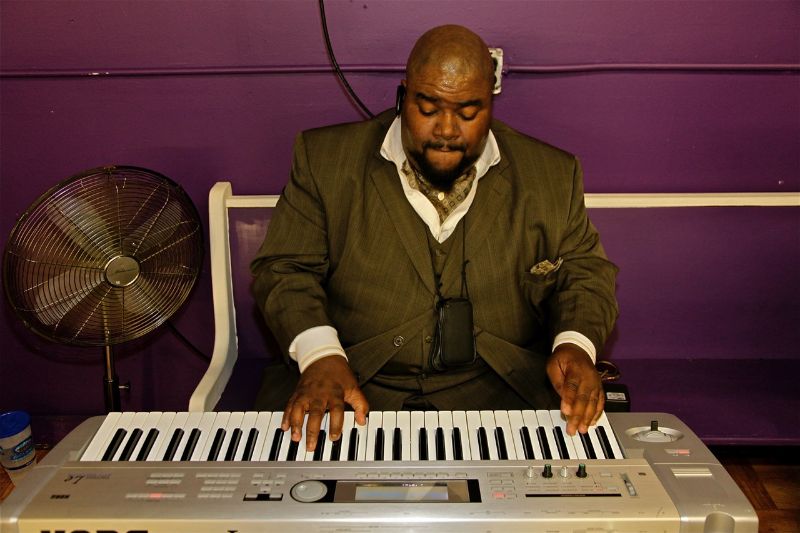
Bishop Dove was raised with his five siblings in Harlem during the same time that Father Divine’s Peace Mission Movement was flourishing. His parents, like many persons of African descent, migrated to Harlem to search for a better life during World War II. His father Wilbur Payne Dove finally ended his career with the Ford Corporation to pastor his own Pentecostal church full-time and eventually established the Universal Assemblies of God Church in Harlem on 127th Street. Dove’s paternal grandfather was ordained and the "spiritual son" of C.H. Mason, founder and organizer of the largest African-American Pentecostal denomination, the Church of God In Christ (C.O.G.I.C.). To be sure, Dove recalls how his parents were very strict: "Everything was a sin." He noted that he did not go swimming, skating, play basketball, or visit the movies. In hindsight, these prohibitions had a pragmatic import in that it kept he and his siblings out of trouble, in what Harlem native James Baldwin in his work, the Fire Next Time, termed "the cities of destruction" in the second half of the twentieth century. Additionally, these sanctified codes also established a sincerity and integrity that he embodies to this day. Another dynamic in his household that typifies Pentecostalism was the focus on music. Traditional Pentecostals such as Mother Rosa Horn incorporated "secular" instruments into the worship experience on her radio broadcast program (i.e. Radio Church of God of the Air on WHN). His mother, Glorya Abbott Dove, sang opera (as an understudy to the famed soprano Leontyne Price) and gospel. She transferred her love of music and her talents to her children. Bishop Dove and his siblings all played instruments and two in particular, were gifted singers. He recalled playing for "Auntie" Ruth Schofield and Latiece Crawford, who were noted gospel artists. Several of his nephews currently work with renown actor/tap dancer and choreographer Savion Glover. In addition to music, his parents stressed education that Bishop Dove has modeled personally, holding several theological degrees, and also incorporated into the ministry and ethos of God’s House that includes "Chosen Academy," an accredited theology school among its educational ministries and services.

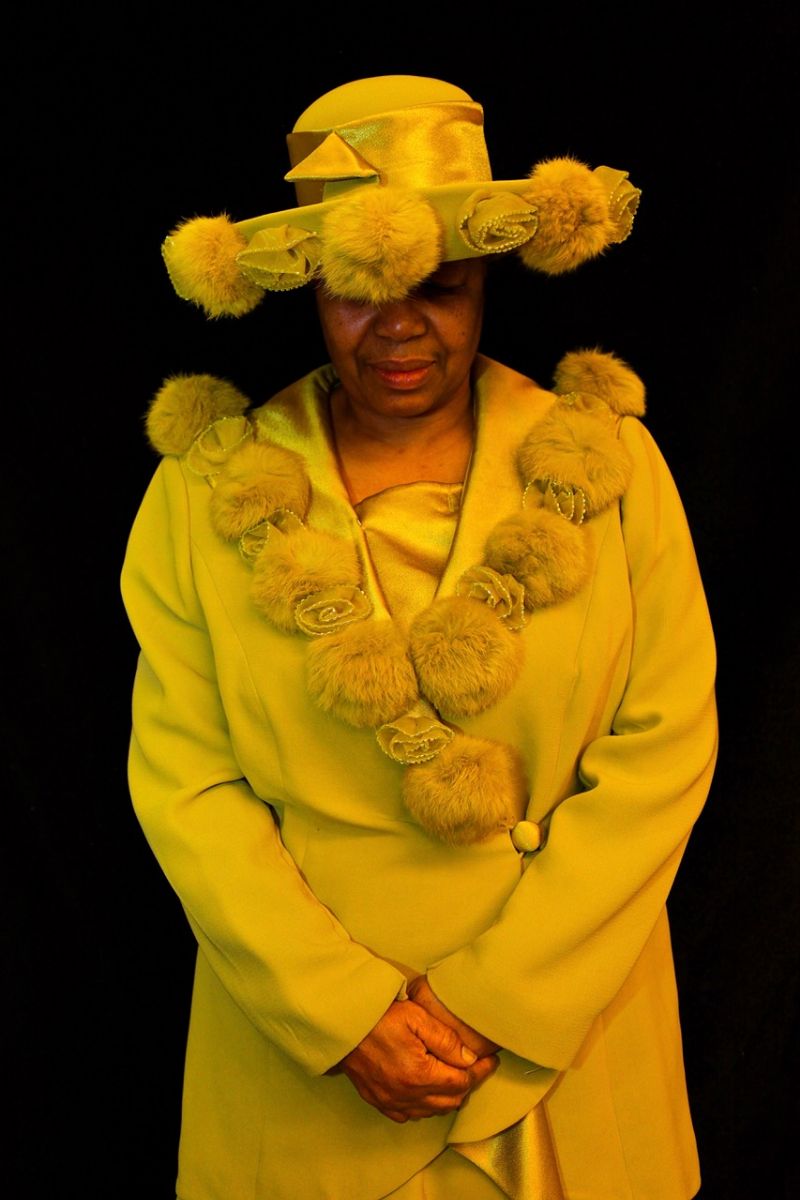
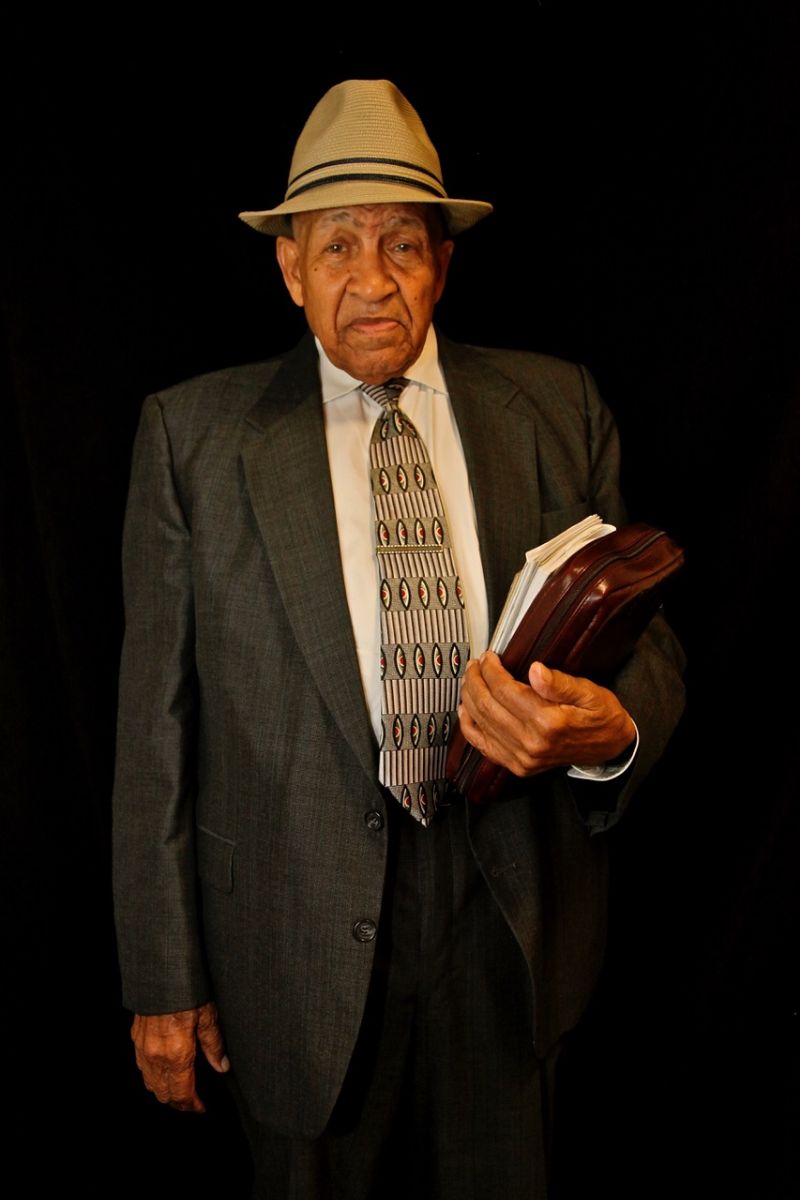

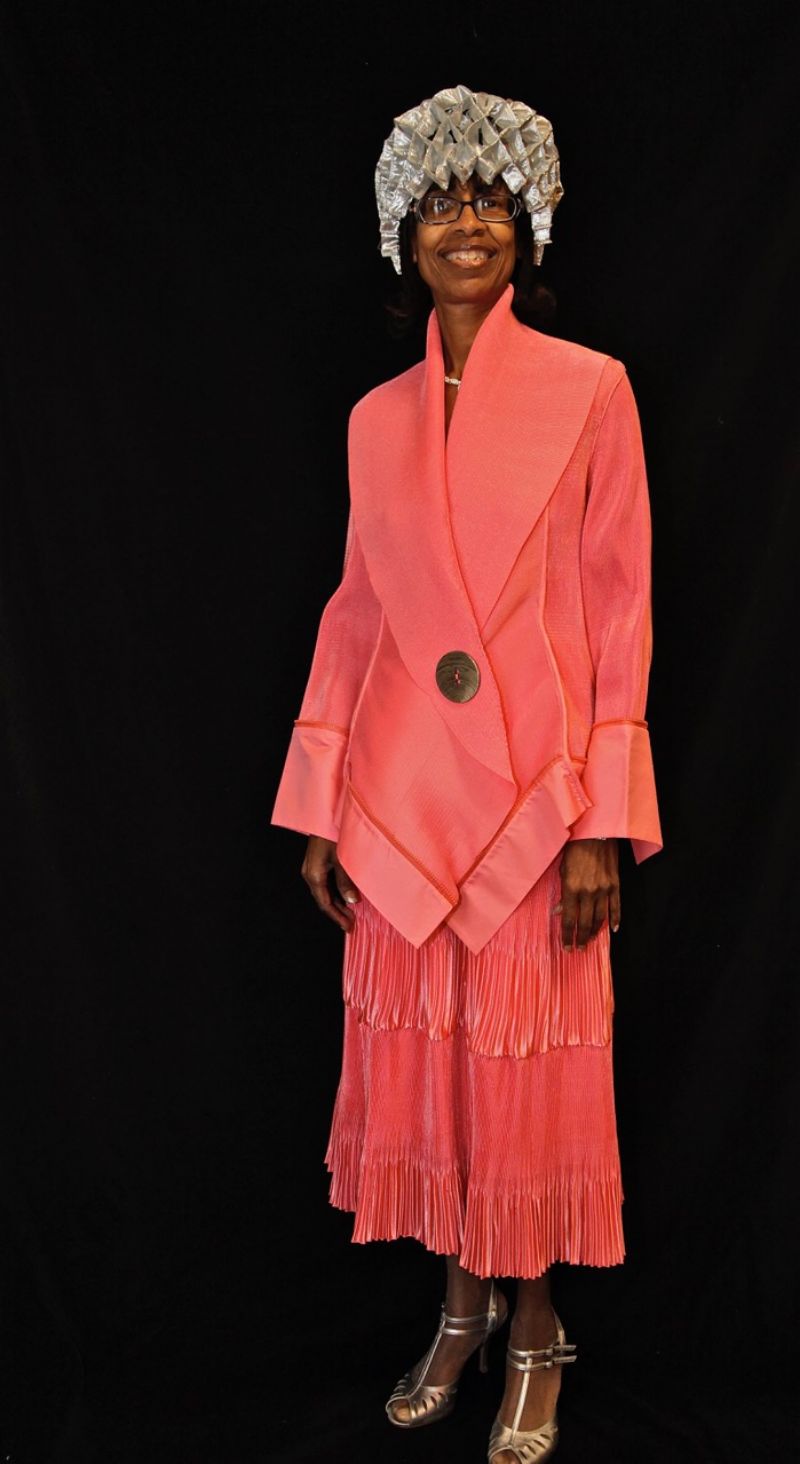
In over 50 years of ministry, Bishop Dove continues to provide leadership that is ecumenical and responsive. God’s House regularly collaborates with churches of other denominations, faiths and ethnicities and with community organizations and services to build and support stronger communities and individuals in Rhode Island. "We’re true, not hidden or closed. Most importantly, you can find God."
1 Iain MacRoberts, The Black Roots of Pentecostalism, African American Religious Thought: An Anthology, edited, Cornel West and Eddie Glaude (Louisville: Westminster John Knox Press, 2003), pp.622.